

Historians estimate that of the nearly 6 million Holocaust victims, over 1.5 million were children under the age of 15.
Driven from their homes, suffering from hunger, cold and disease, they perished together with their parents who could not save them, or died alone because their loved ones had been murdered earlier.
We will never know what they thought and felt in the last moments of their lives. They have no graves. Their names are unknown. They never grew up, never had children or grandchildren to remember them.
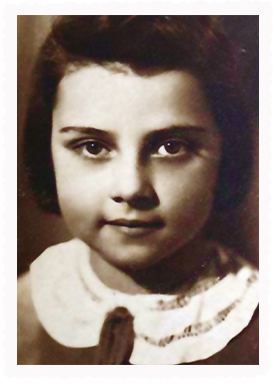
On their behalf, after several decades of silence, those who survived the Holocaust — the Children of the Holocaust — have spoken.
The record of the surviving children’s memories has been placed in a digital archive, which we continually expand with newly discovered testimonies.
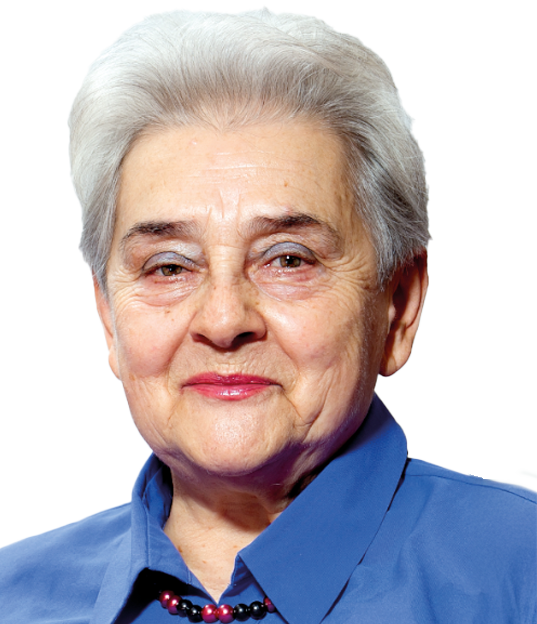
The archive is named after
Professor Jakub Gutenbaum
— the first president of the Association of the „Children of the Holocaust” in Poland.
Memories of the Children of the Holocaust
ON THE RECORD OF MEMORY WEBSITES
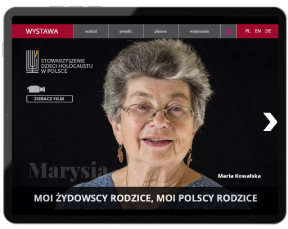
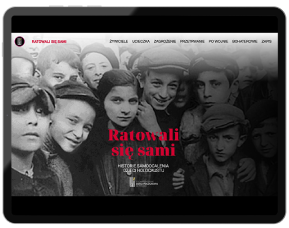
The Record of Memory is above all an archive of accounts by the Children of the Holocaust. It contains hundreds of written memories and dozens of video memories, as well as audio recordings, archival photographs and links to external sources. To find a particular memory, simply type three letters of a first or last name into the search field on the black bar at the top, or browse the drop-down list of people.
The Record of Memory also includes other publications available on our websites — online stories created on the basis of selected memories of people who survived the Holocaust as children. You can view the online stories by clicking the images above this text.
Other publications of the Record of Memory are presented below.
About Jewish orphans in Polish homes
AS TOLD BY THE EXHIBITION „MY JEWISH PARENTS, MY POLISH PARENTS”
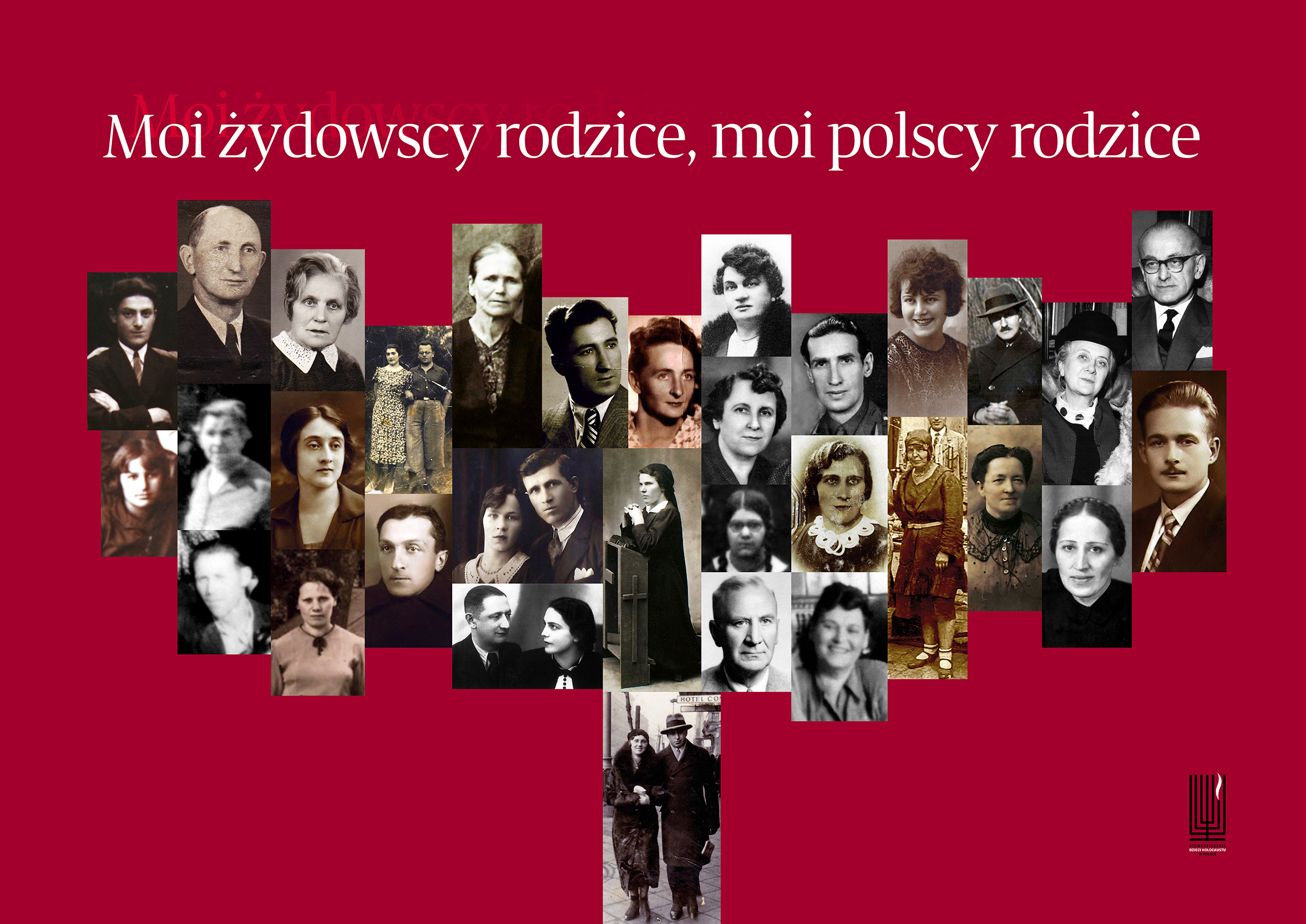
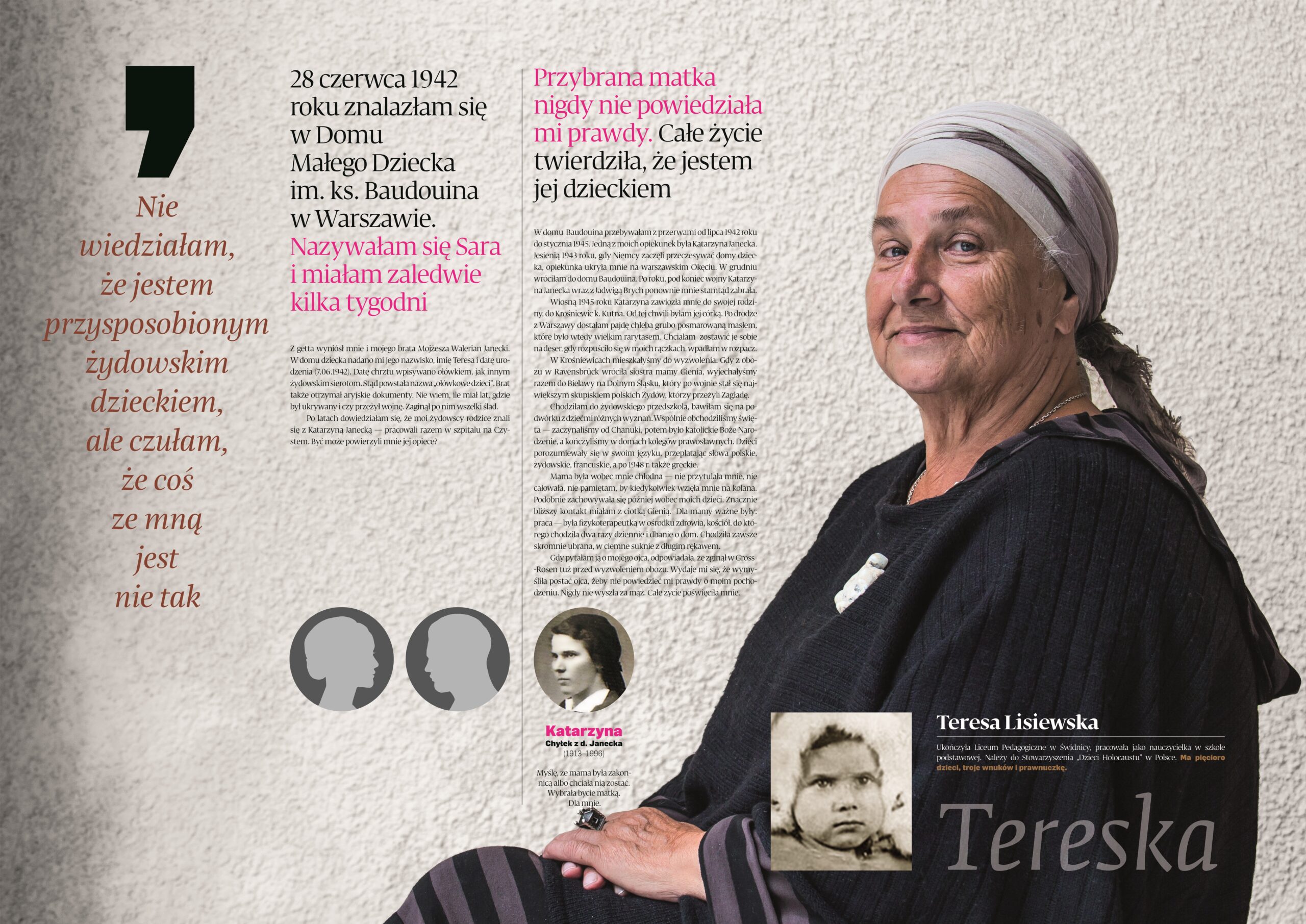
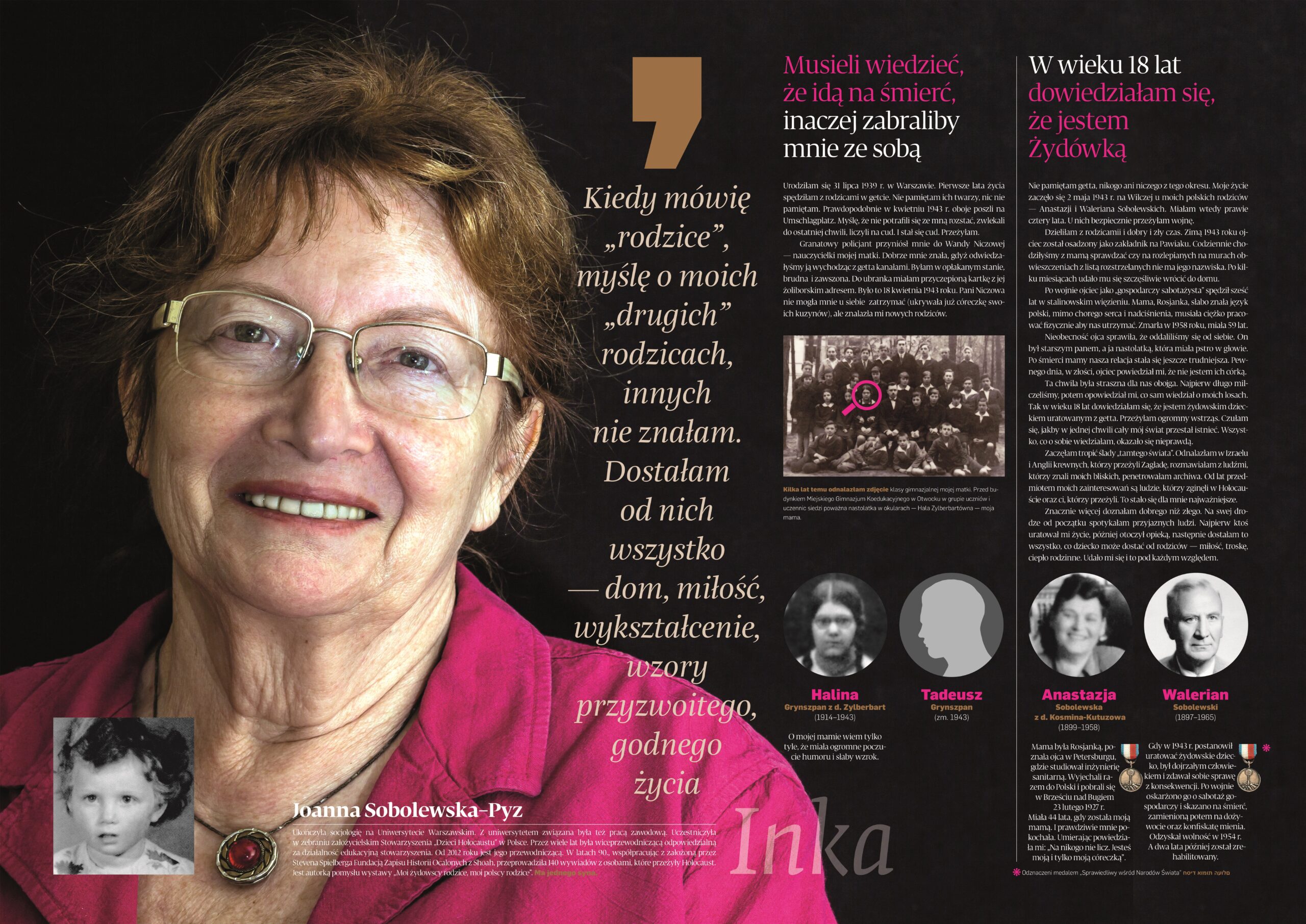
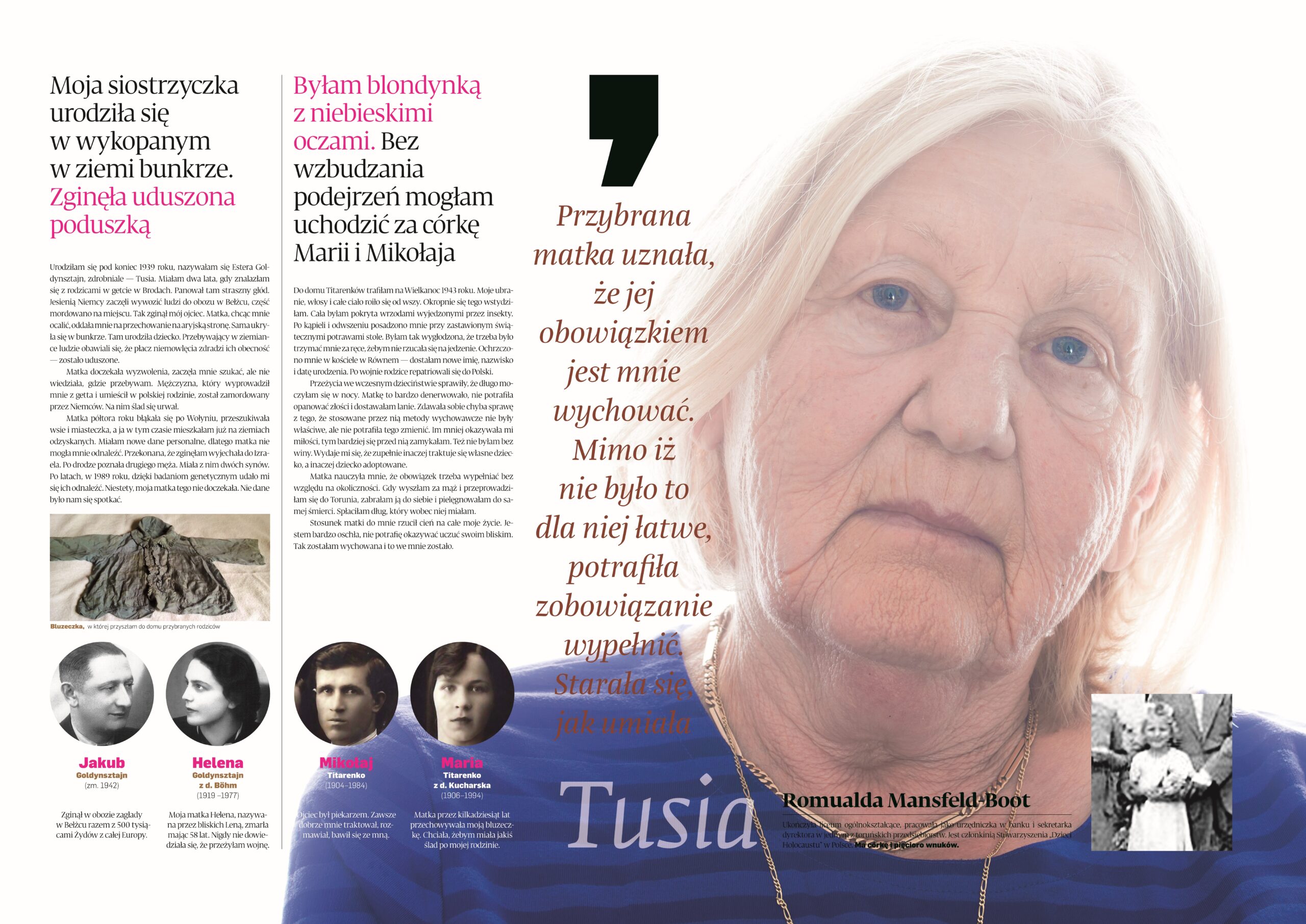
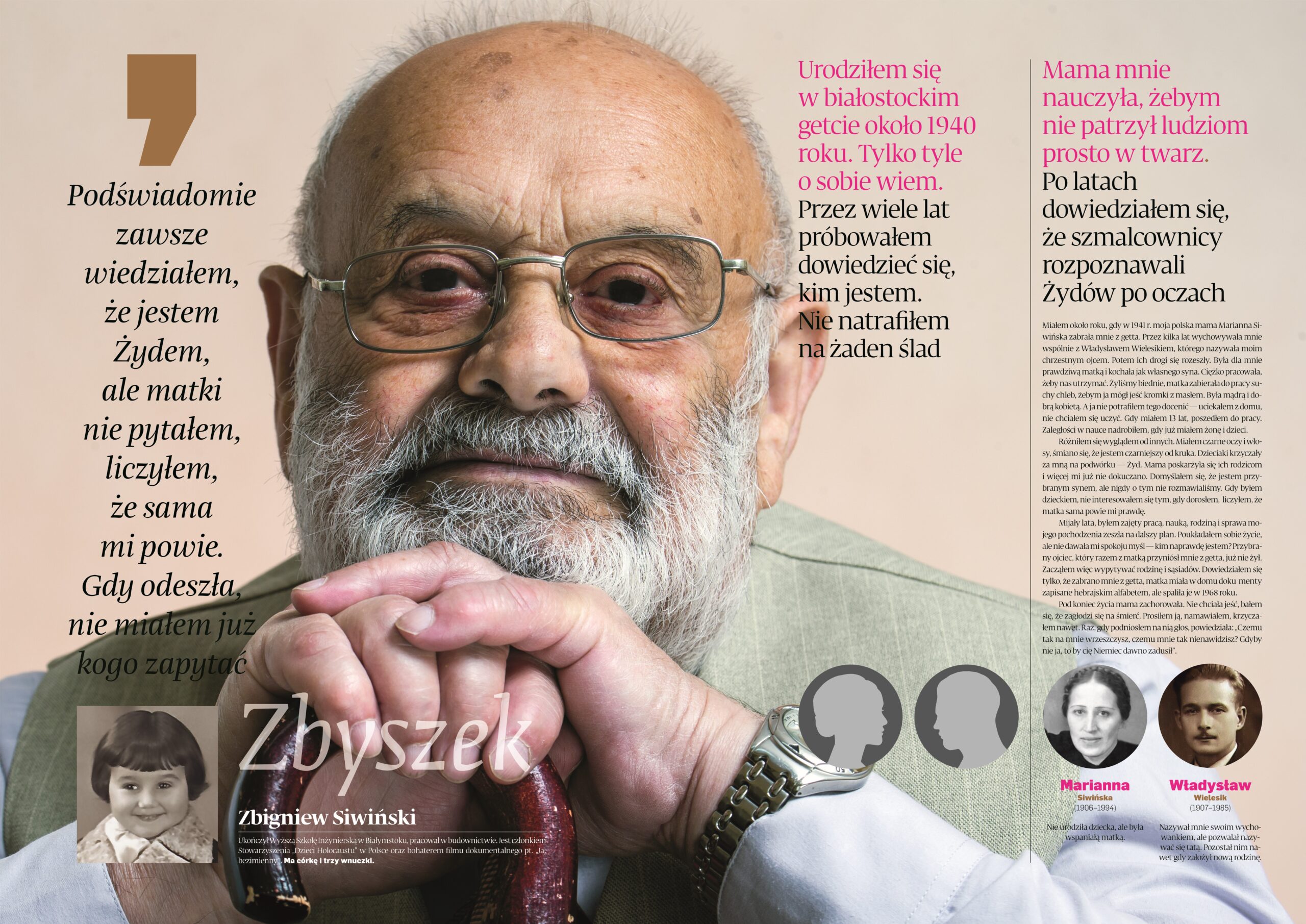
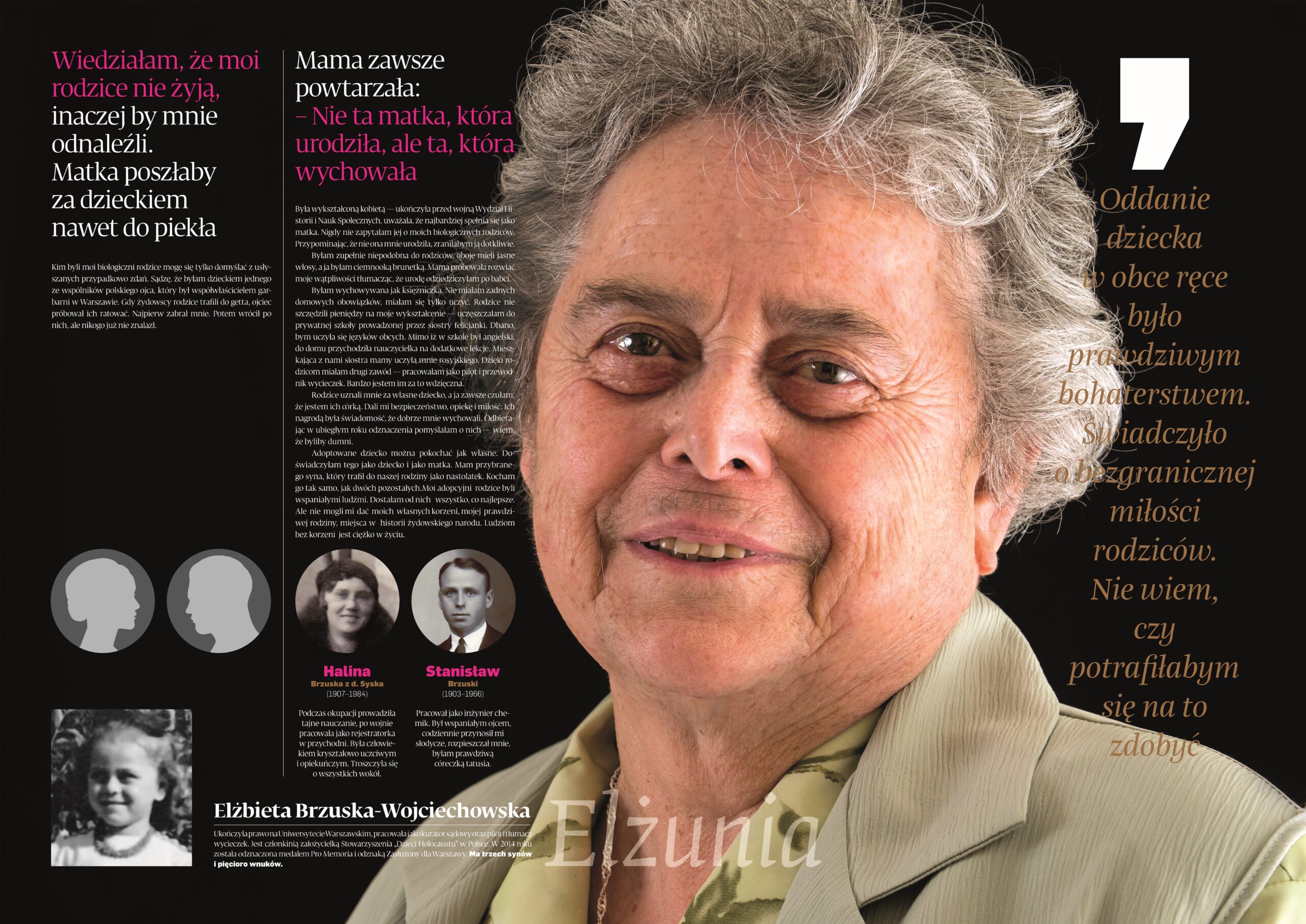
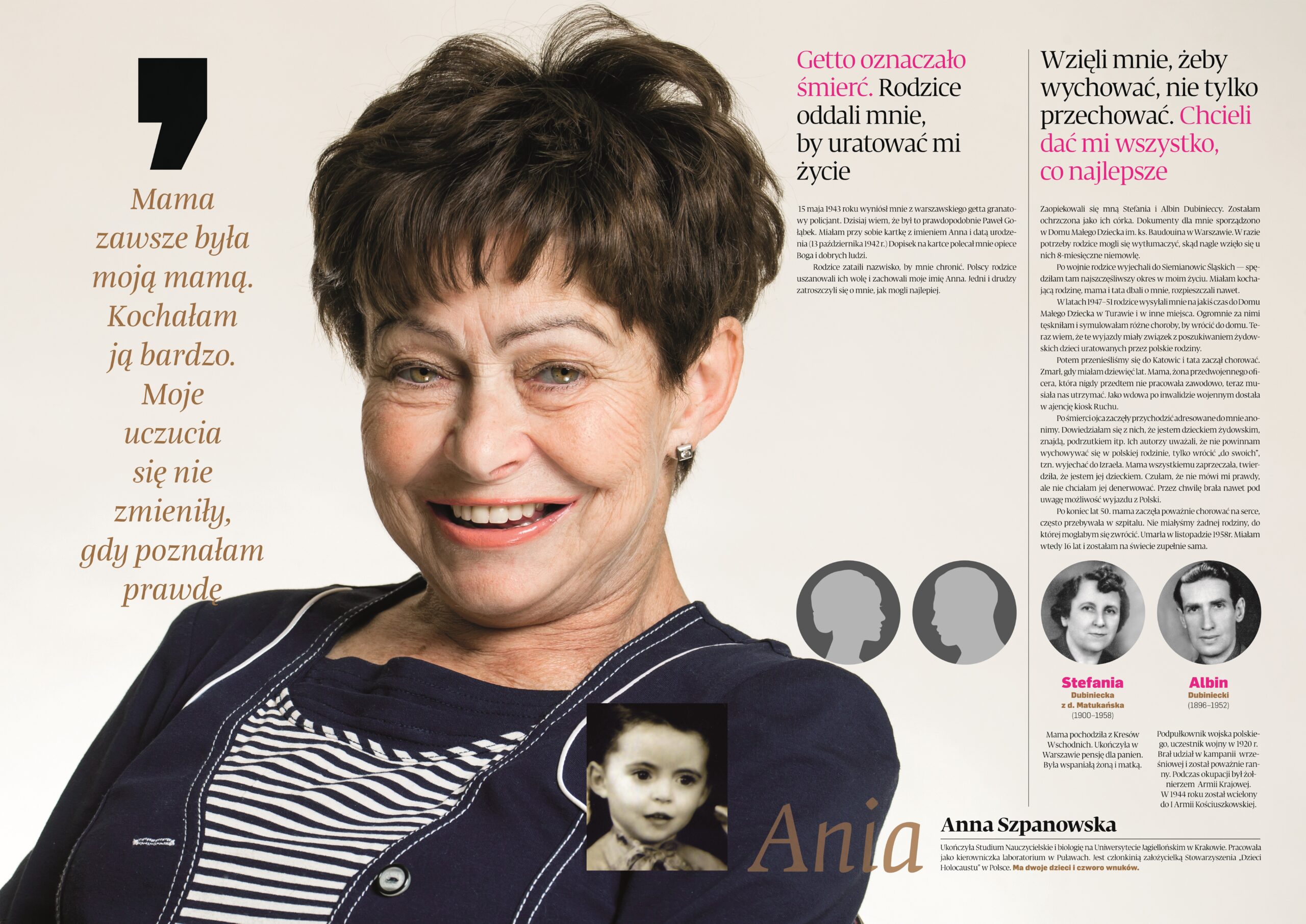
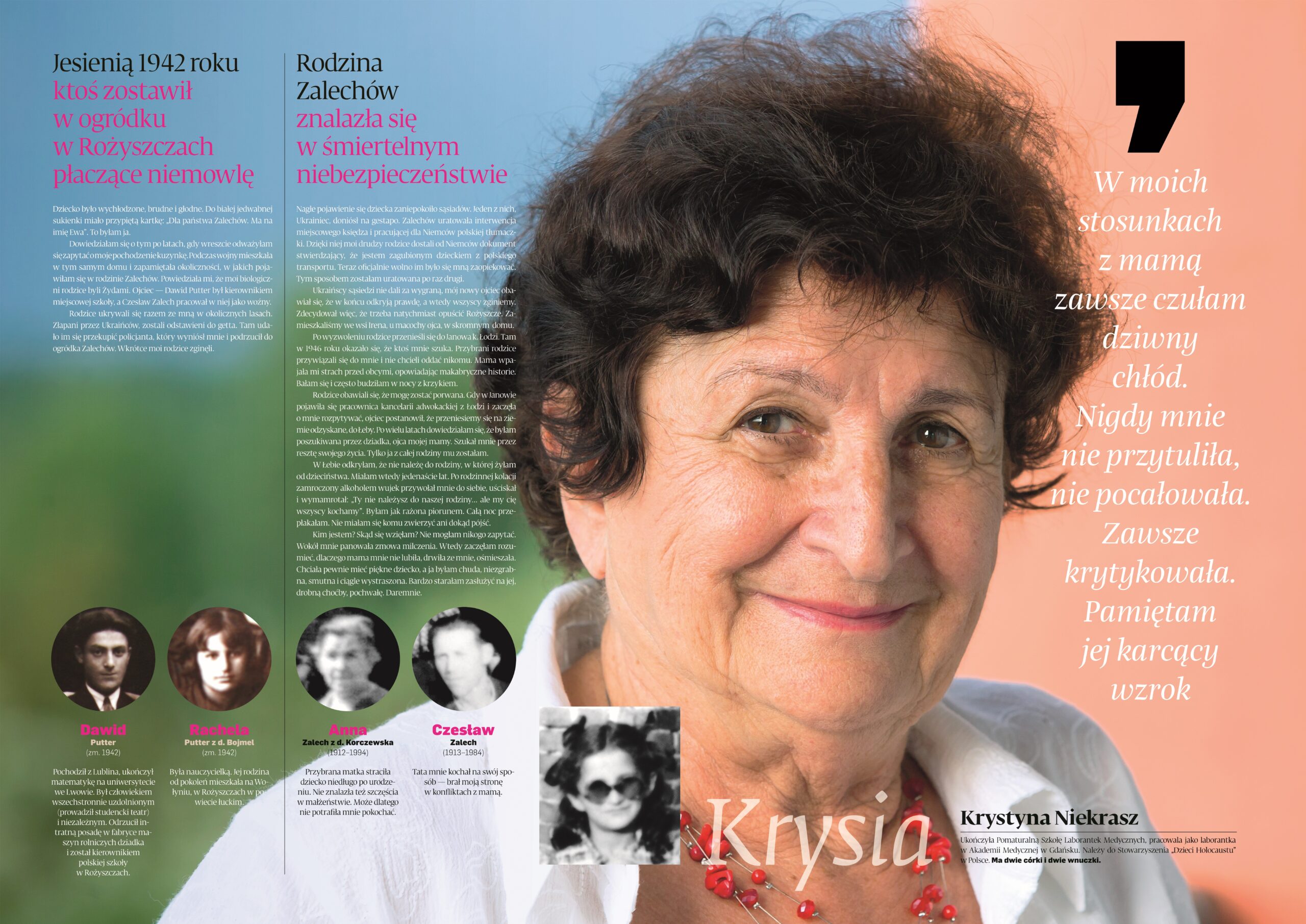
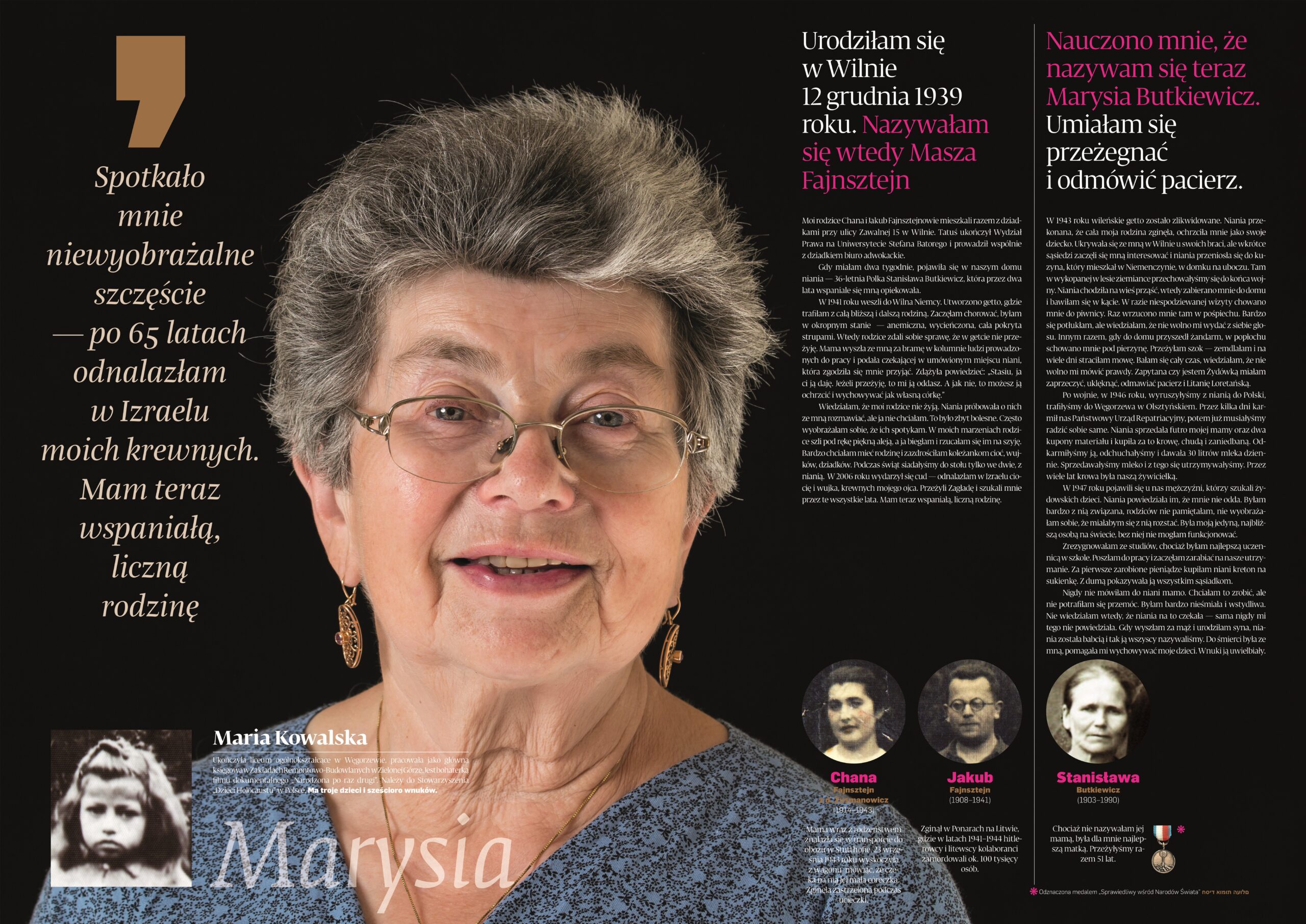
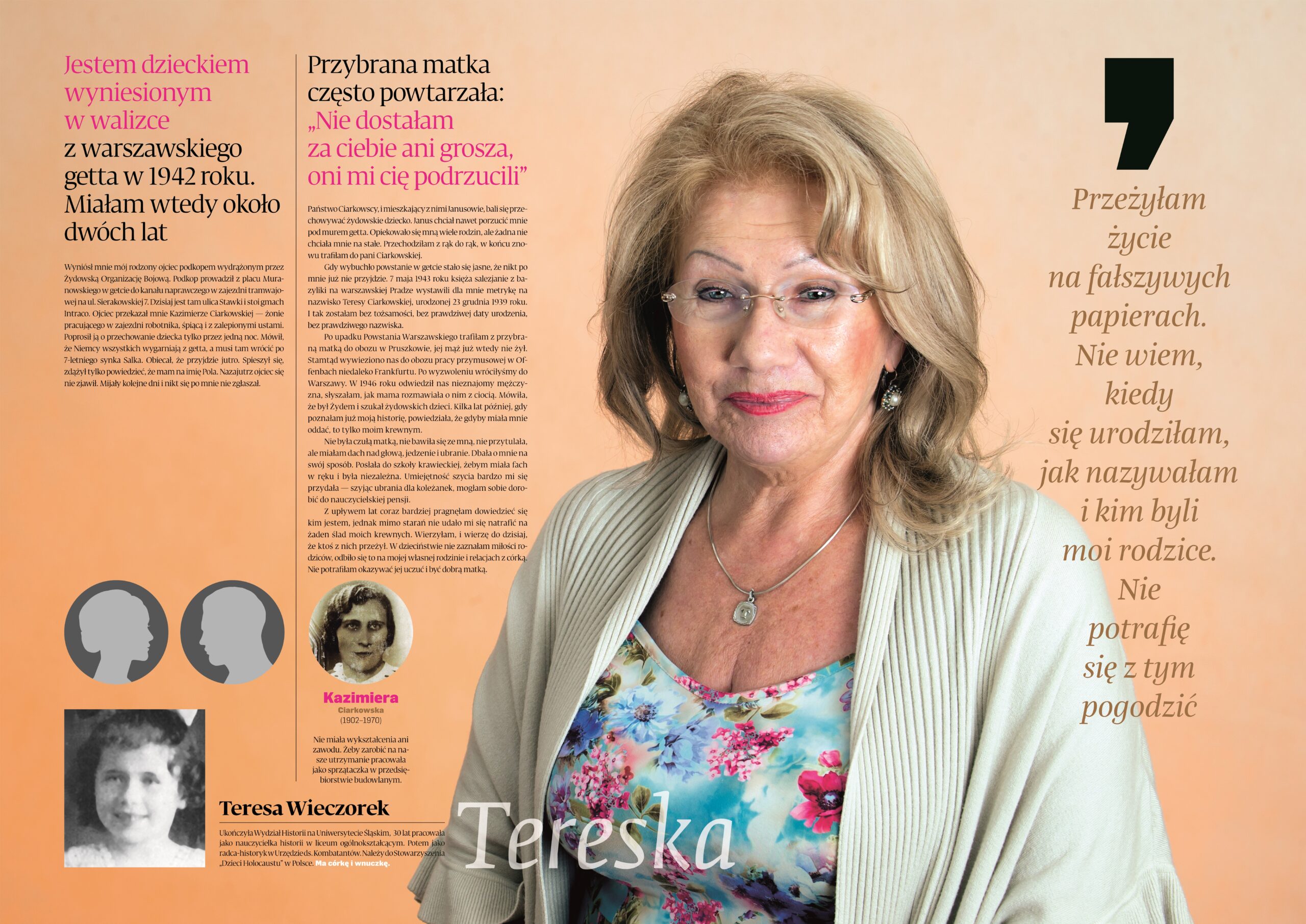
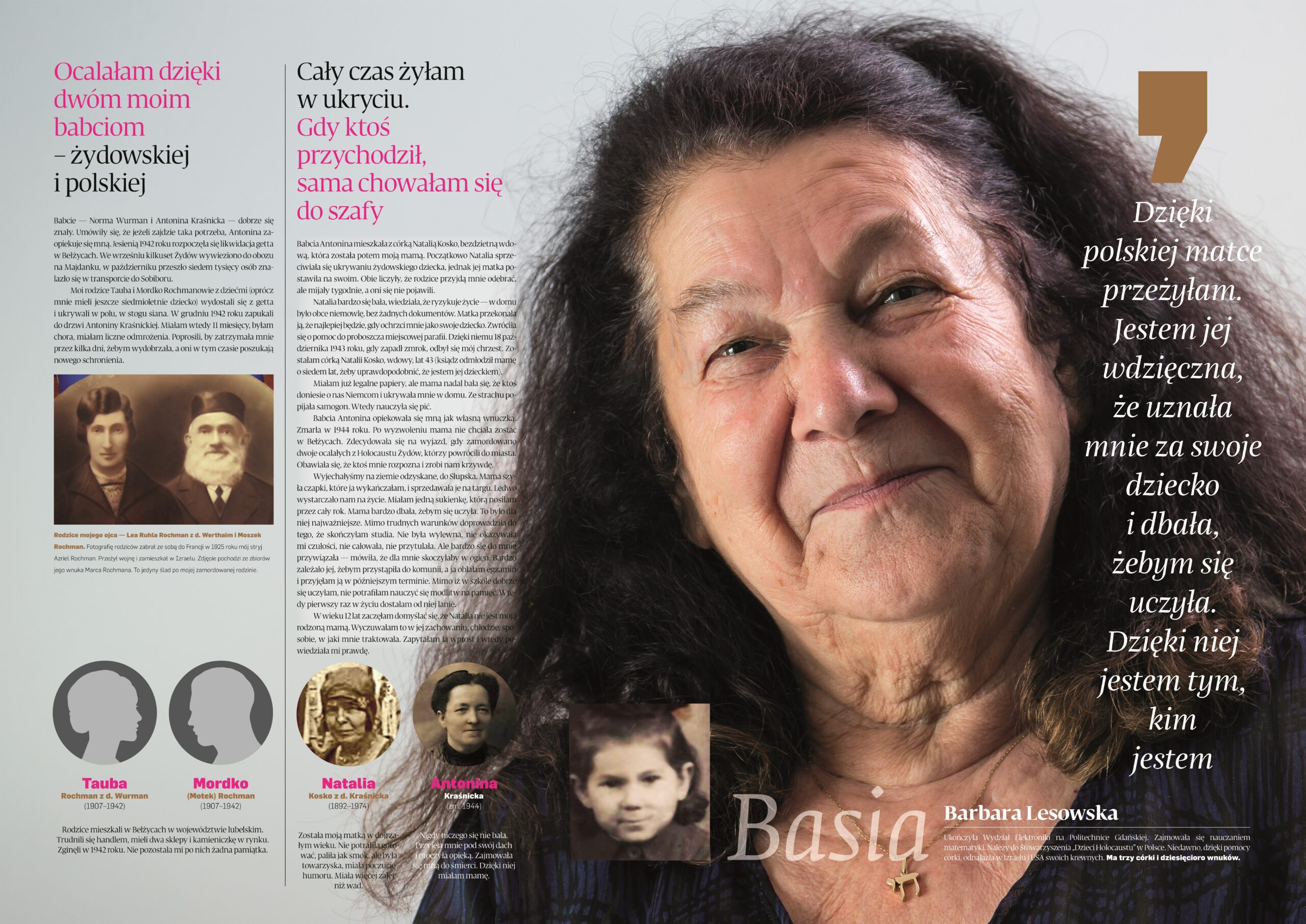
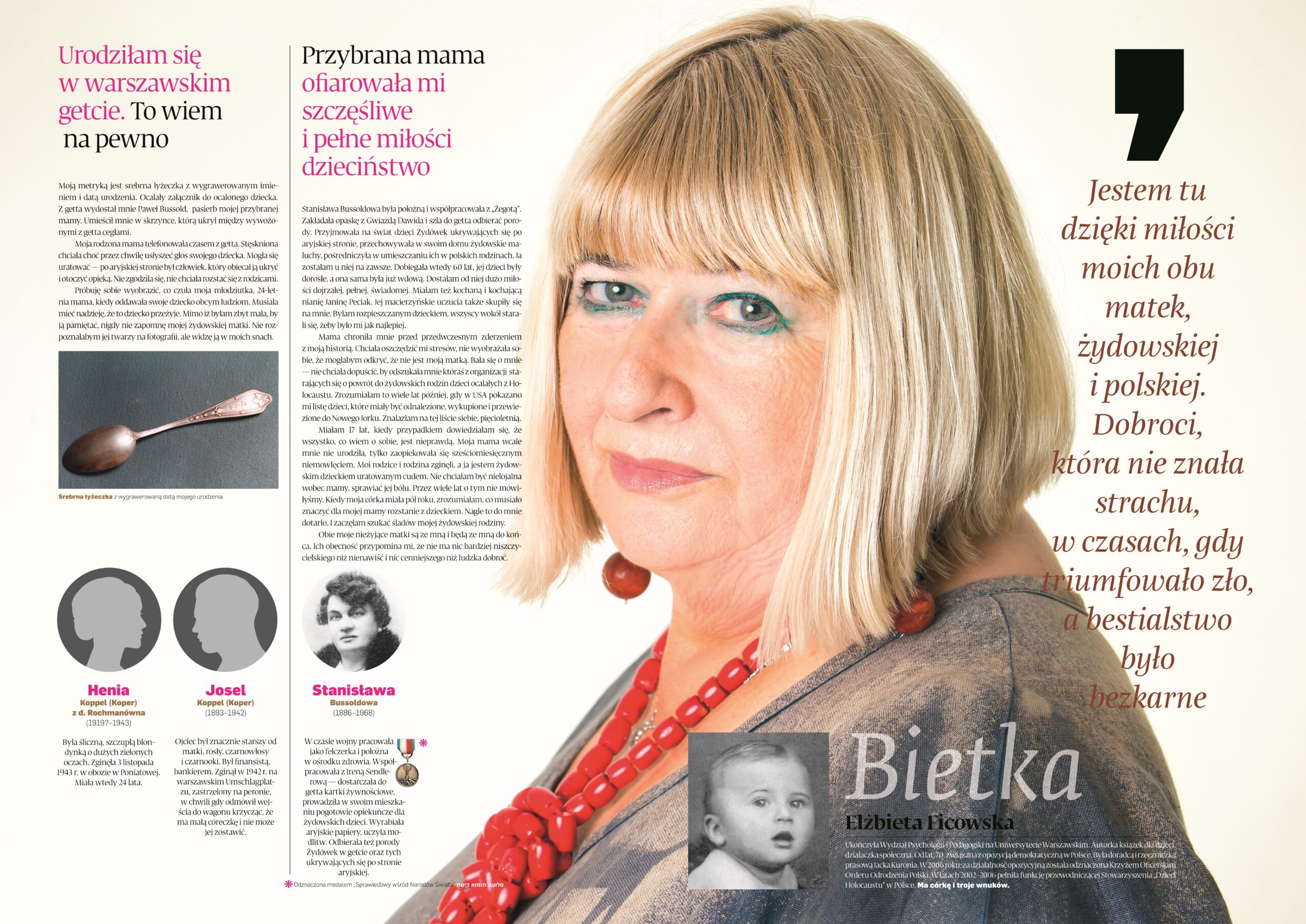
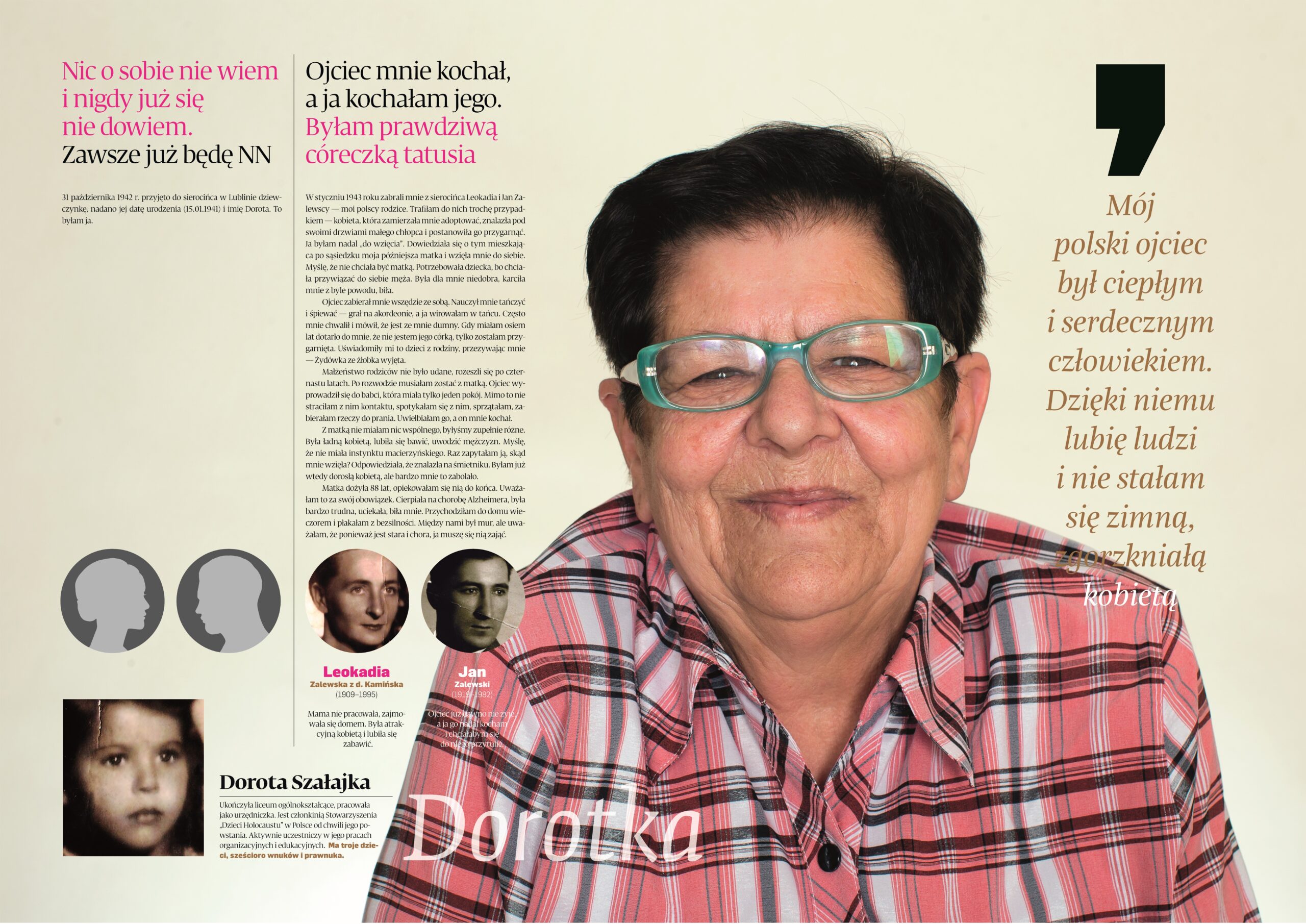
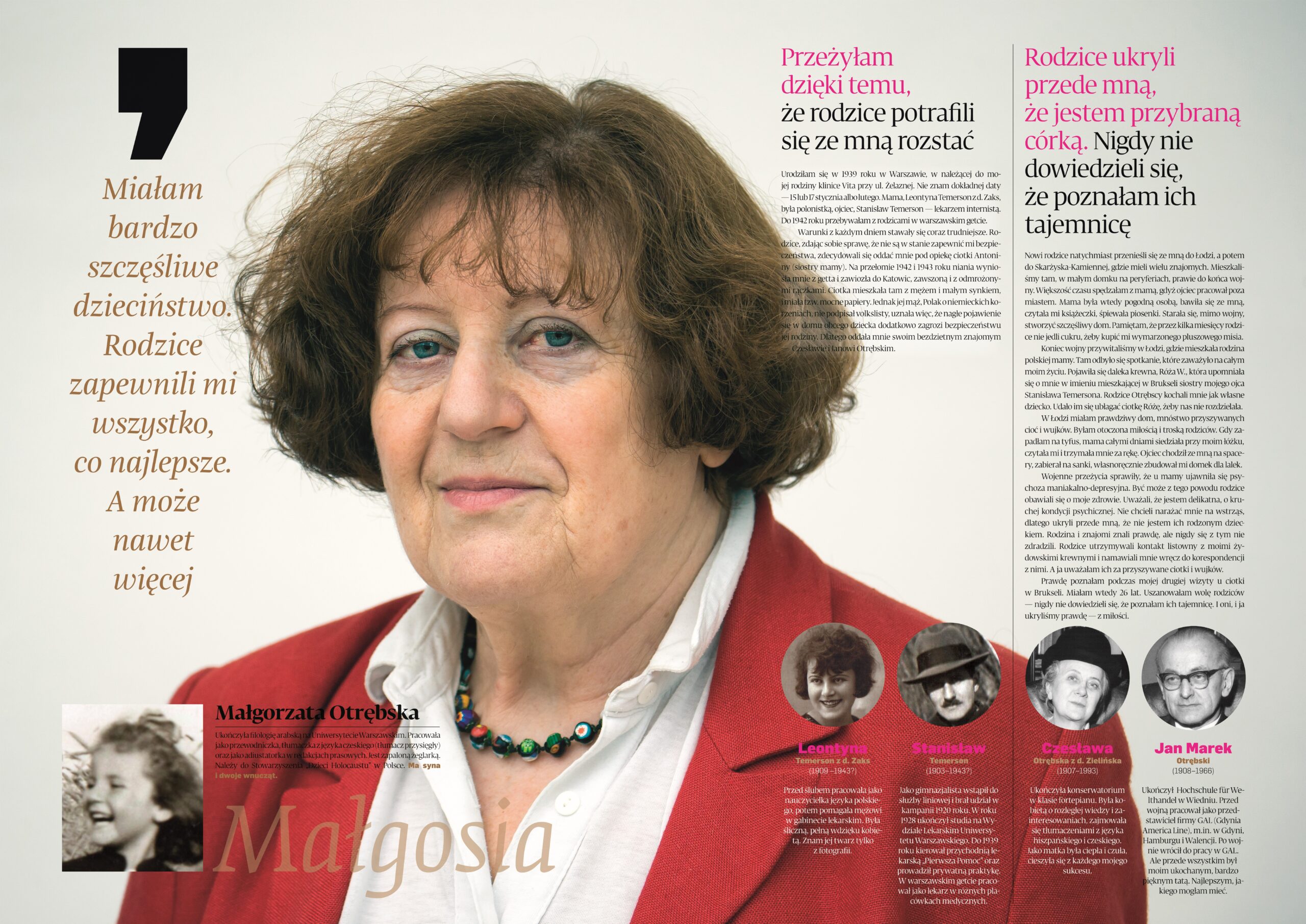
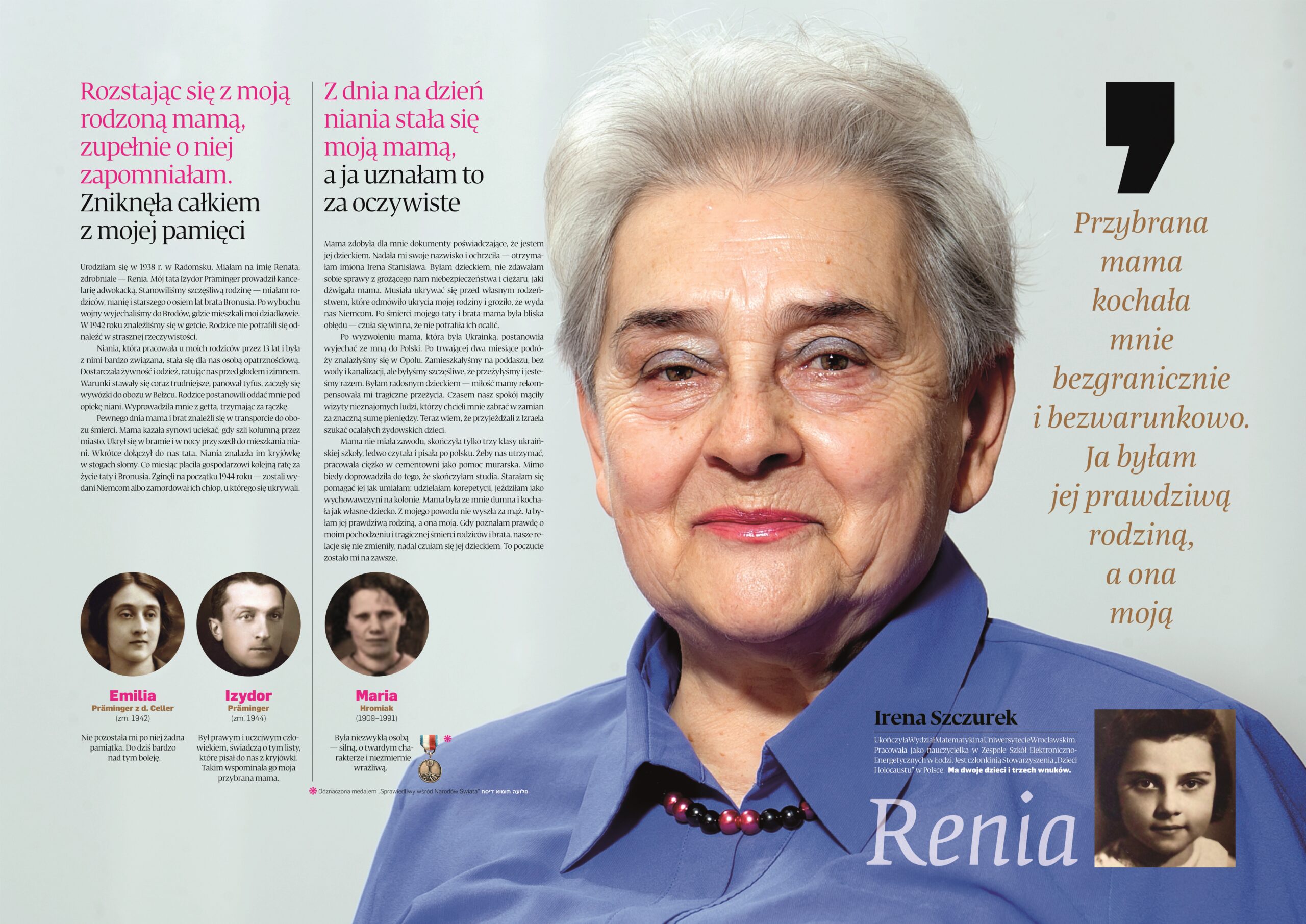
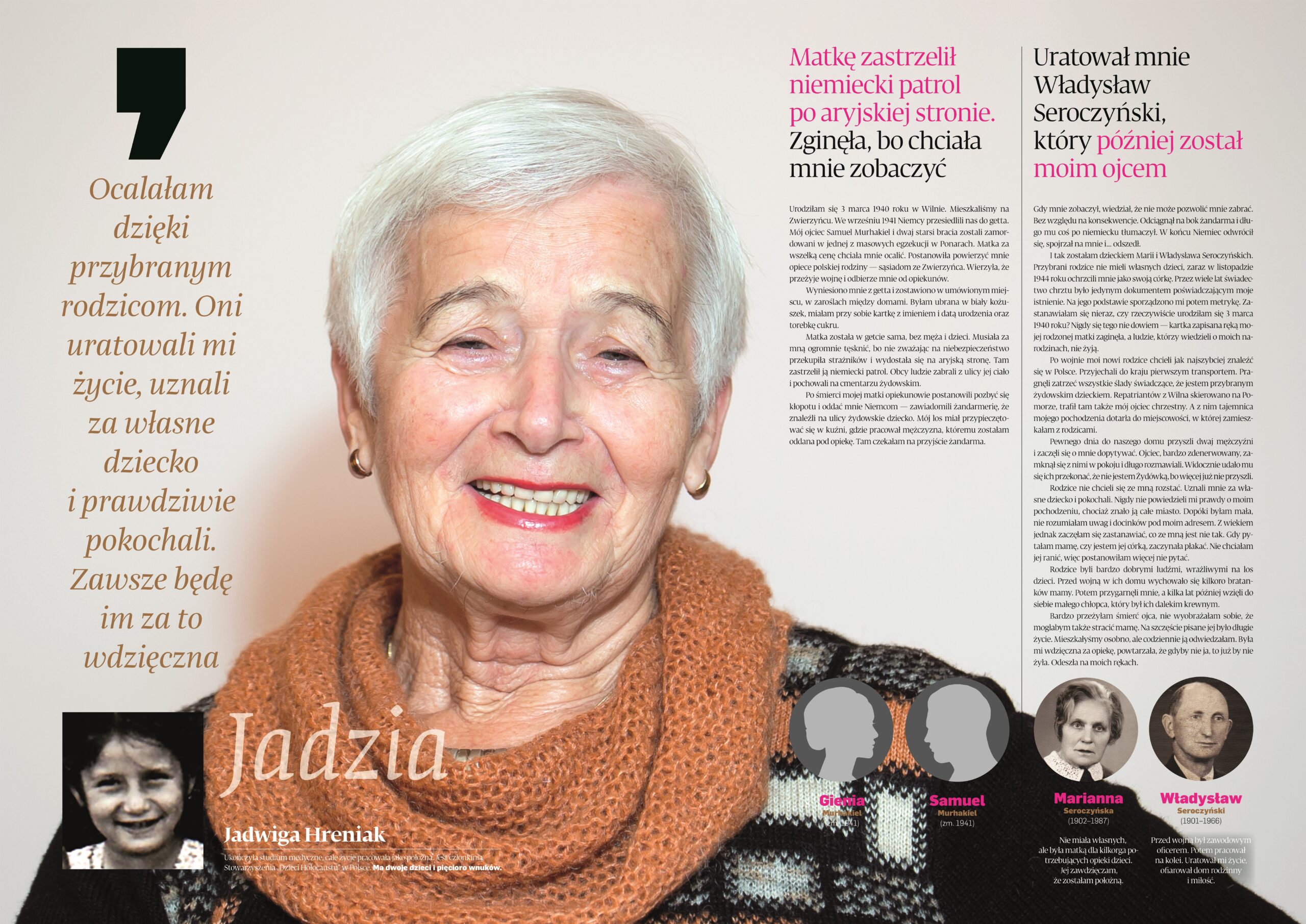
By writing to kontakt@zapispamieci.pl you can borrow, free of charge, the boards presenting the memories of fifteen Jewish children saved by Polish guardians. The exhibition „My Jewish Parents, My Polish Parents” was created on the basis of the Record of Memory archive.
The boards show contemporary portraits of the surviving Children of the Holocaust, together with accounts specially edited for the exhibition, describing the wartime fate of their families, their relationships with their new guardians and the horror of war seen through the eyes of a hunted child.
The exhibition was presented for the first time in April 2015 at the newly opened POLIN Museum of the History of Polish Jews in Warsaw. Since then, the boards have travelled to schools, libraries, cultural centres and museums.
60,000 viewers
To date, the exhibition has been seen by nearly 60,000 people in over 60 cities, including: Augsburg, Bad Freienwalde, Barcelona, Barczewo, Berlin, Chełmno, Chęciny, Chmielnik, Halberstadt, Halle, Kielce, Kiryat Motzkin, Kraków, Krosno, Lidzbark Warmiński, Linz, Lublin, Łódź, Magdeburg, Markowa, Nuremberg, Olsztyn, Ostróda, Oświęcim, Potsdam, Płońsk, Salzburg, Senftenberg, Szamotuły, Tykocin, Warsaw, Vienna, Wieluń, Wrocław, Zamość…
Has the exhibition already come to your city?
An audiovisual story
ABOUT PARENTS LOST AND GAINED
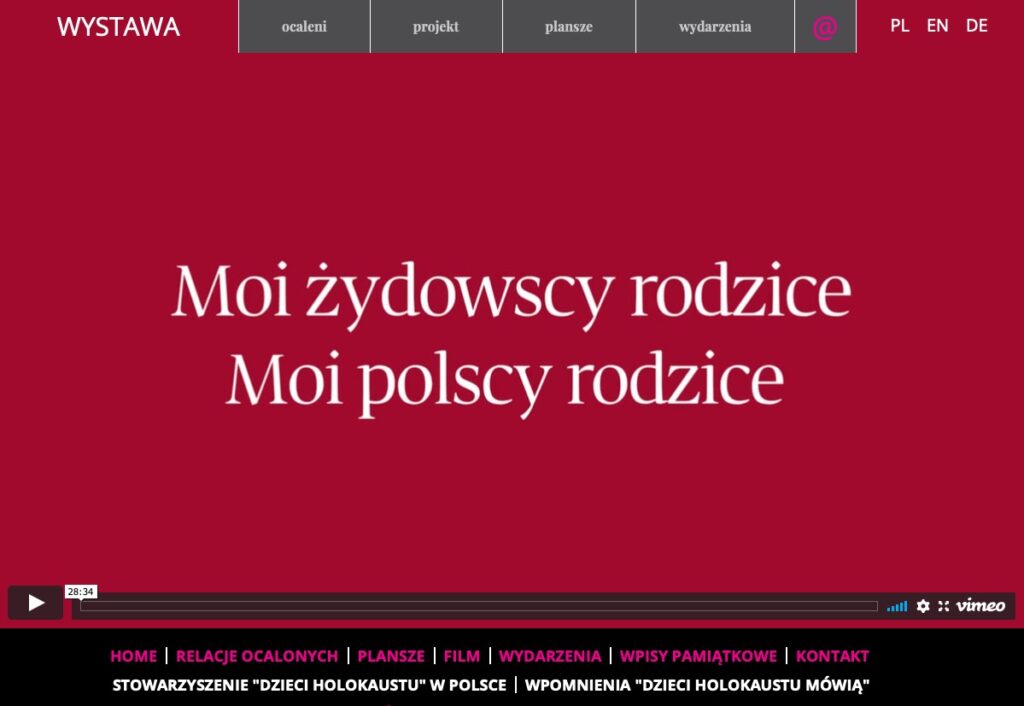
The stories of the rescue of Jewish children can be told in many ways. One of them is the animation „My Jewish Parents, My Polish Parents”, created as a complement to the board exhibition at the POLIN Museum. The quotations and photographs are accompanied by music by contemporary Israeli composers and recorded statements of the Survivors. The animation may be used free of charge as educational material.
The secrets of the Baudouin Home
ON THE BOARDS OF THE „PENCIL CHILDREN” EXHIBITION
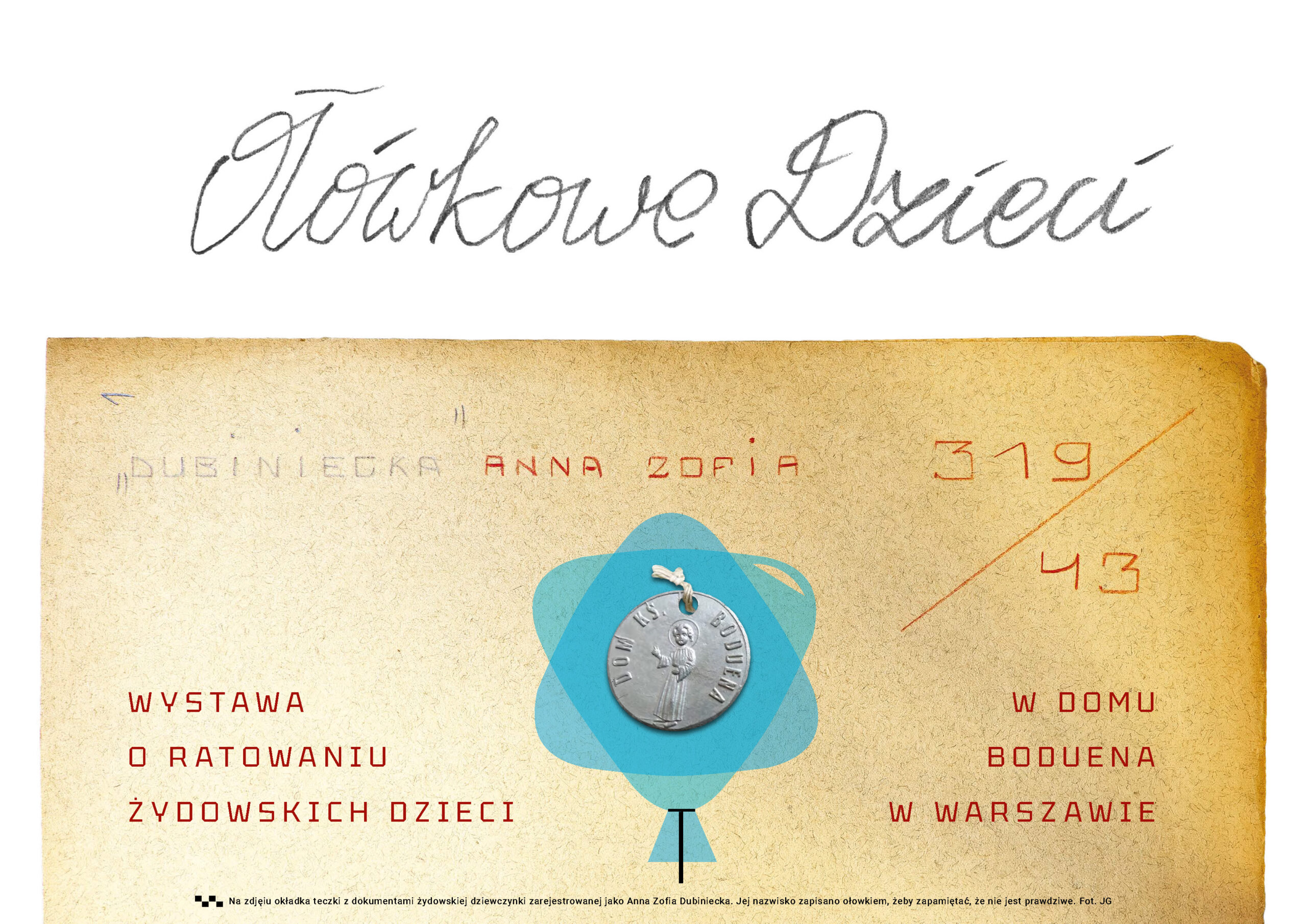
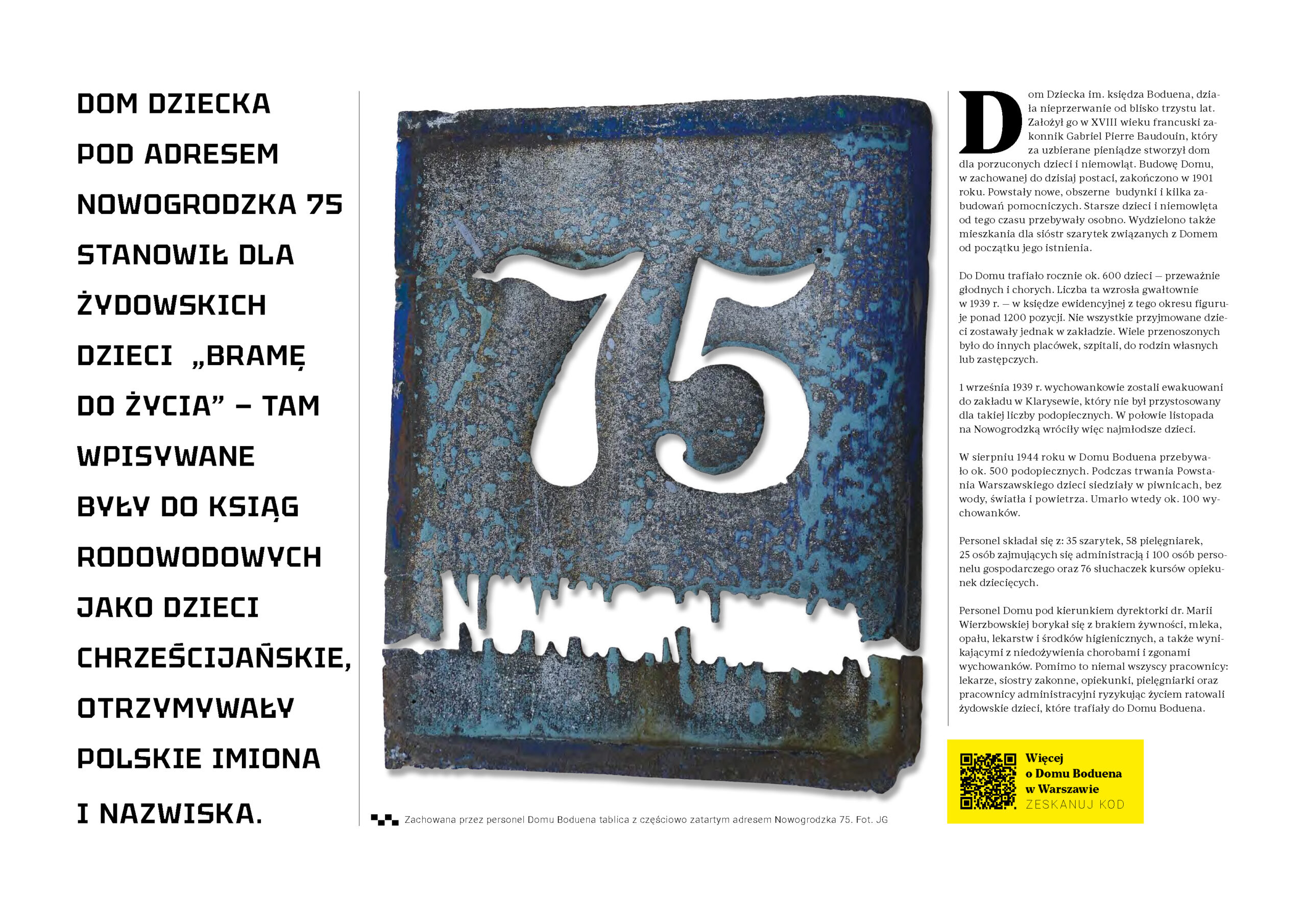
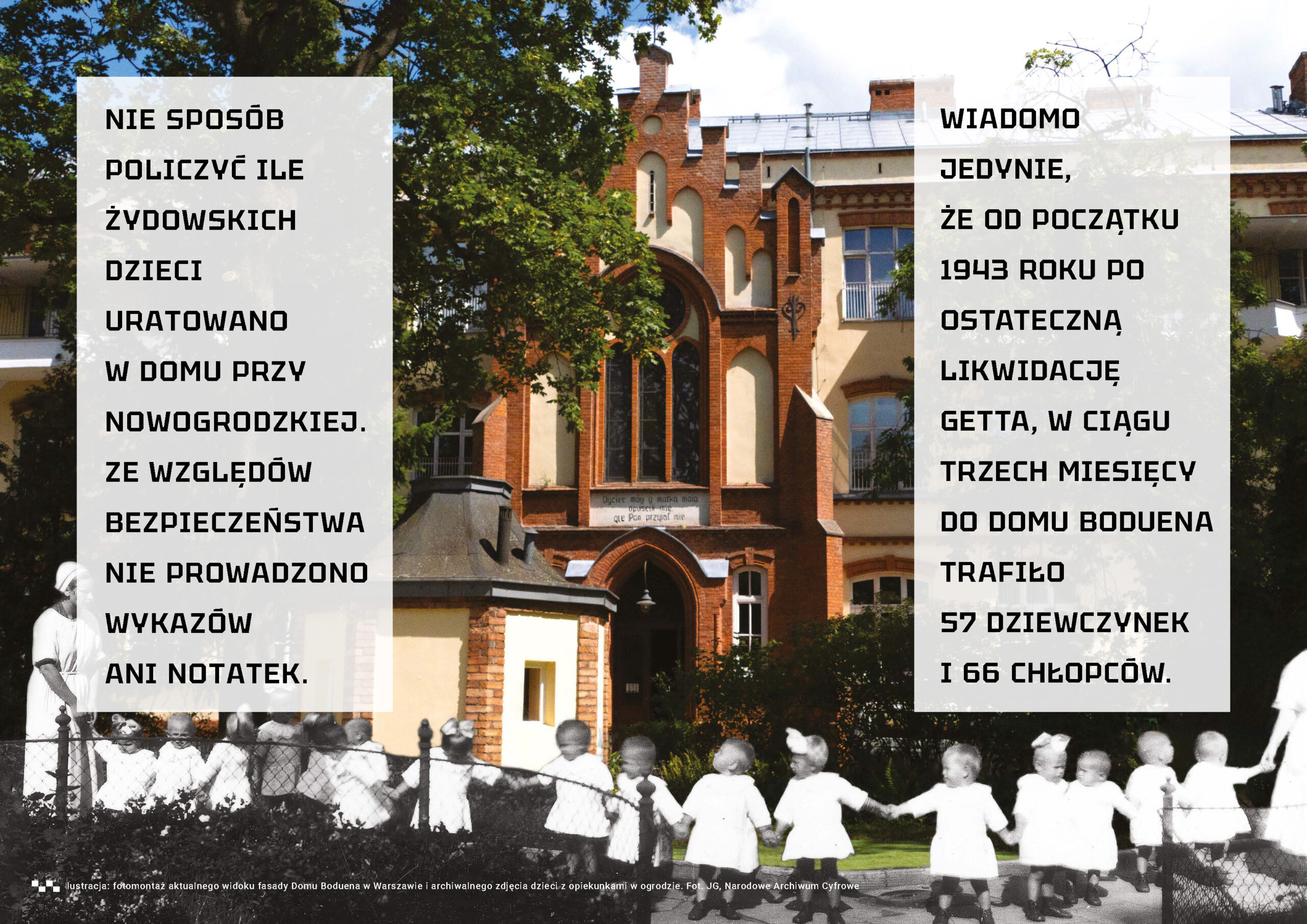
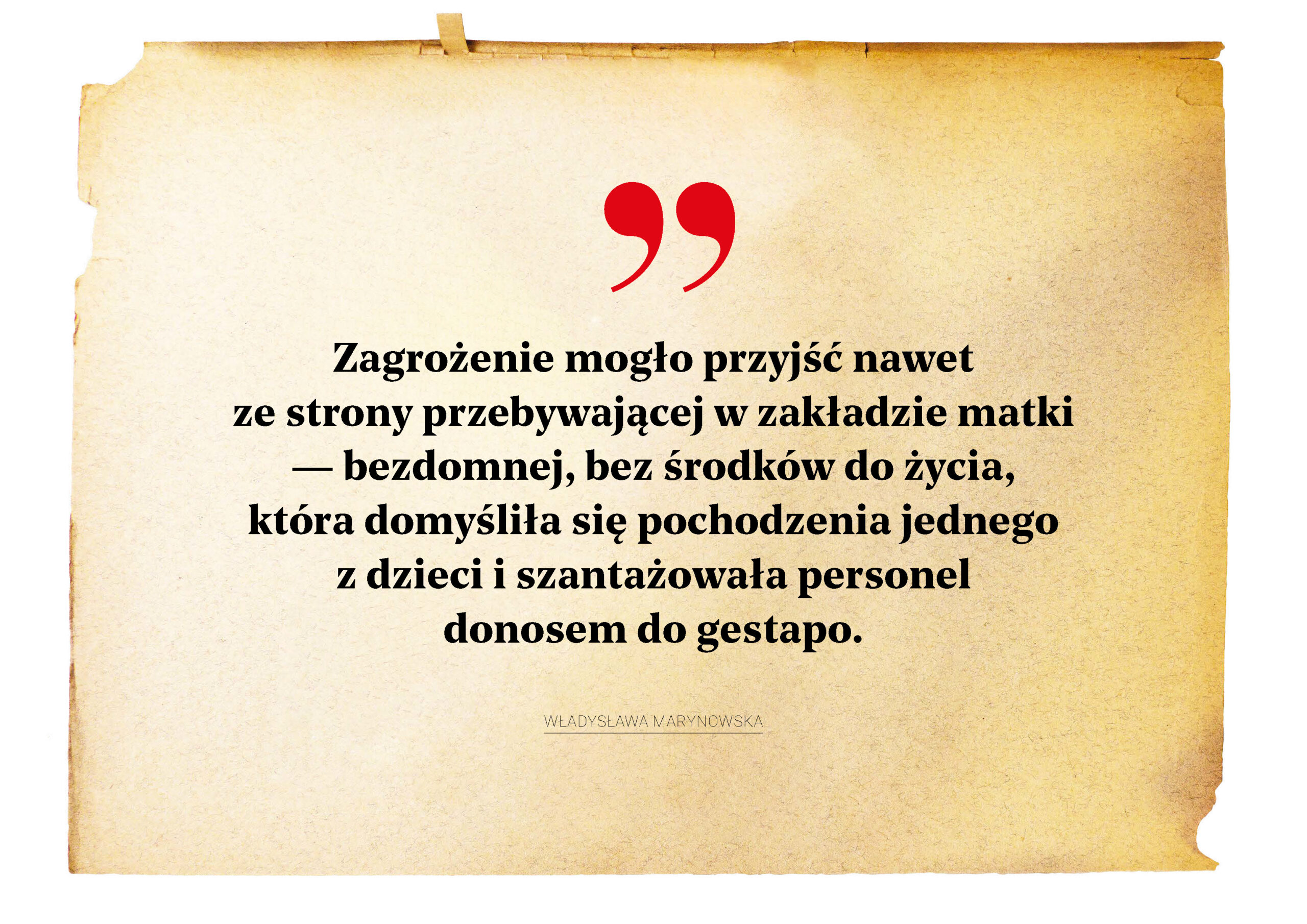
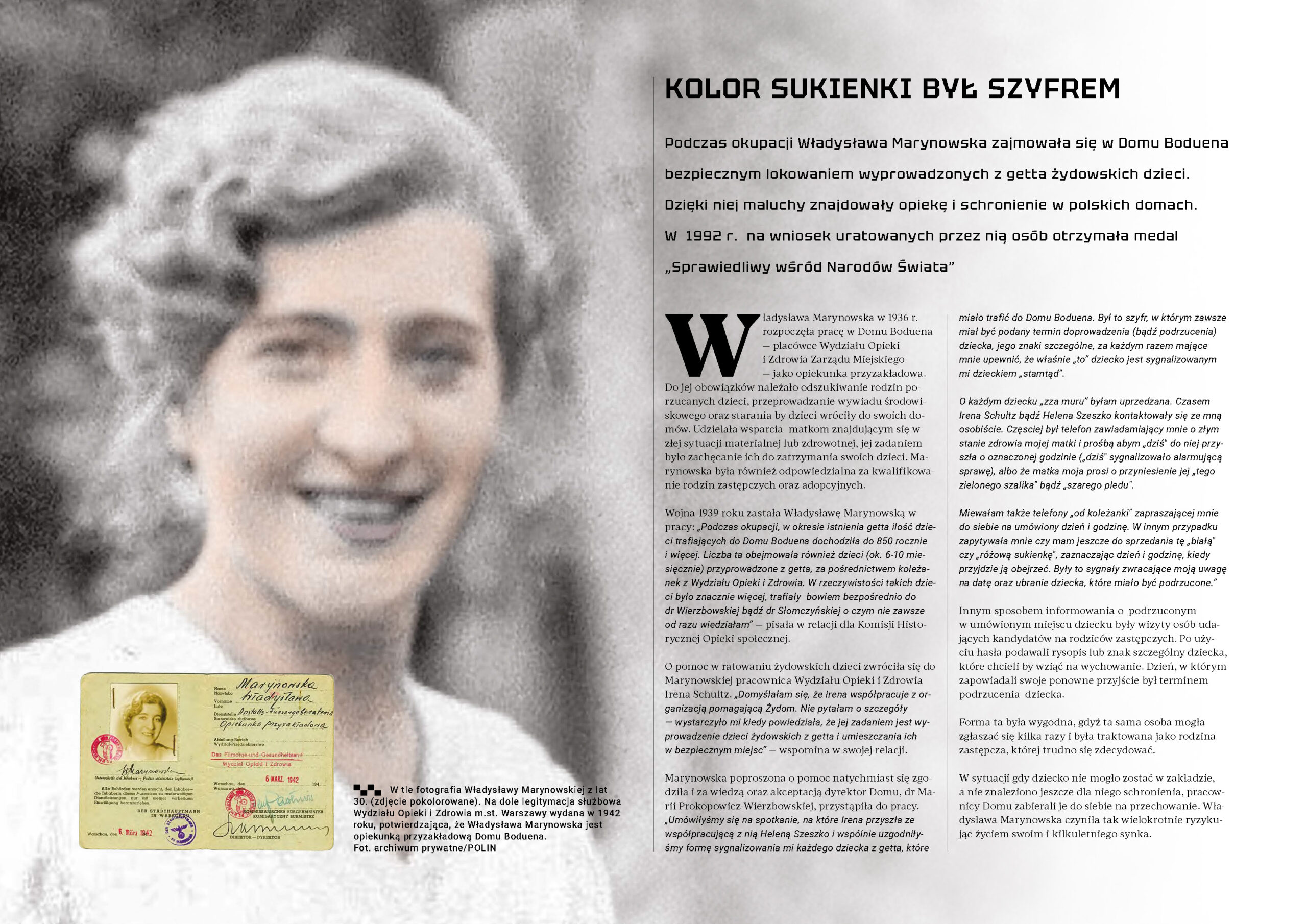
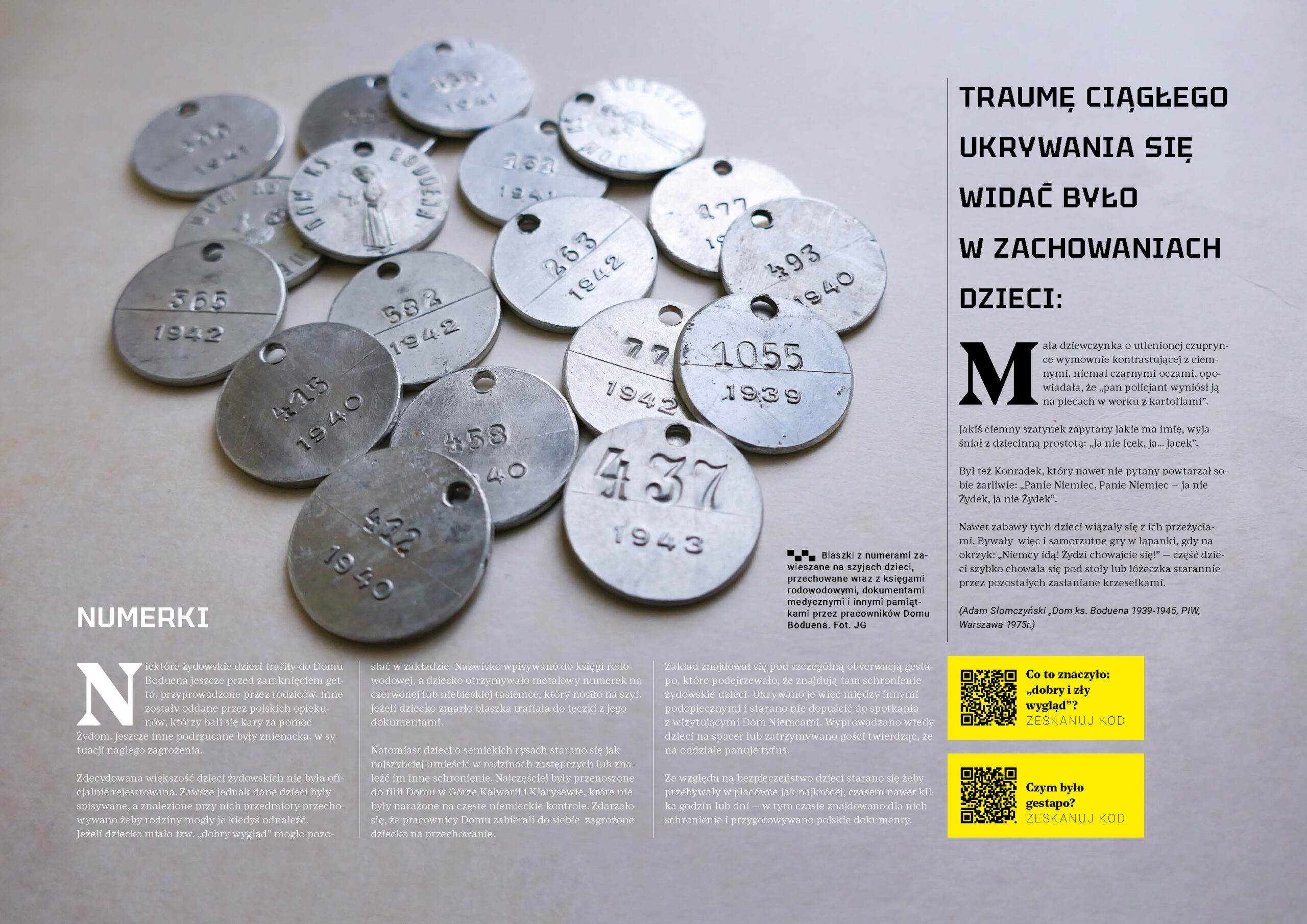
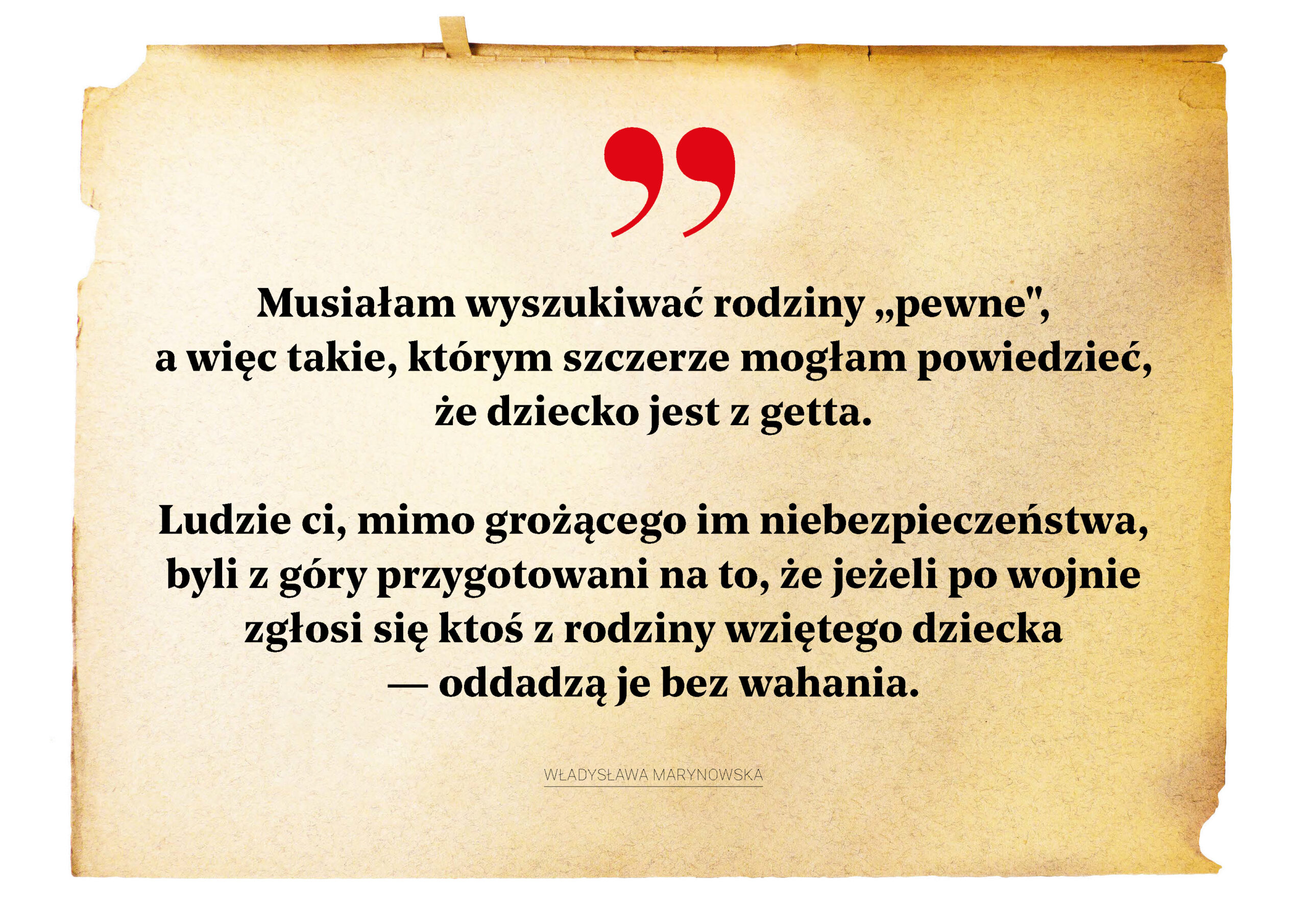
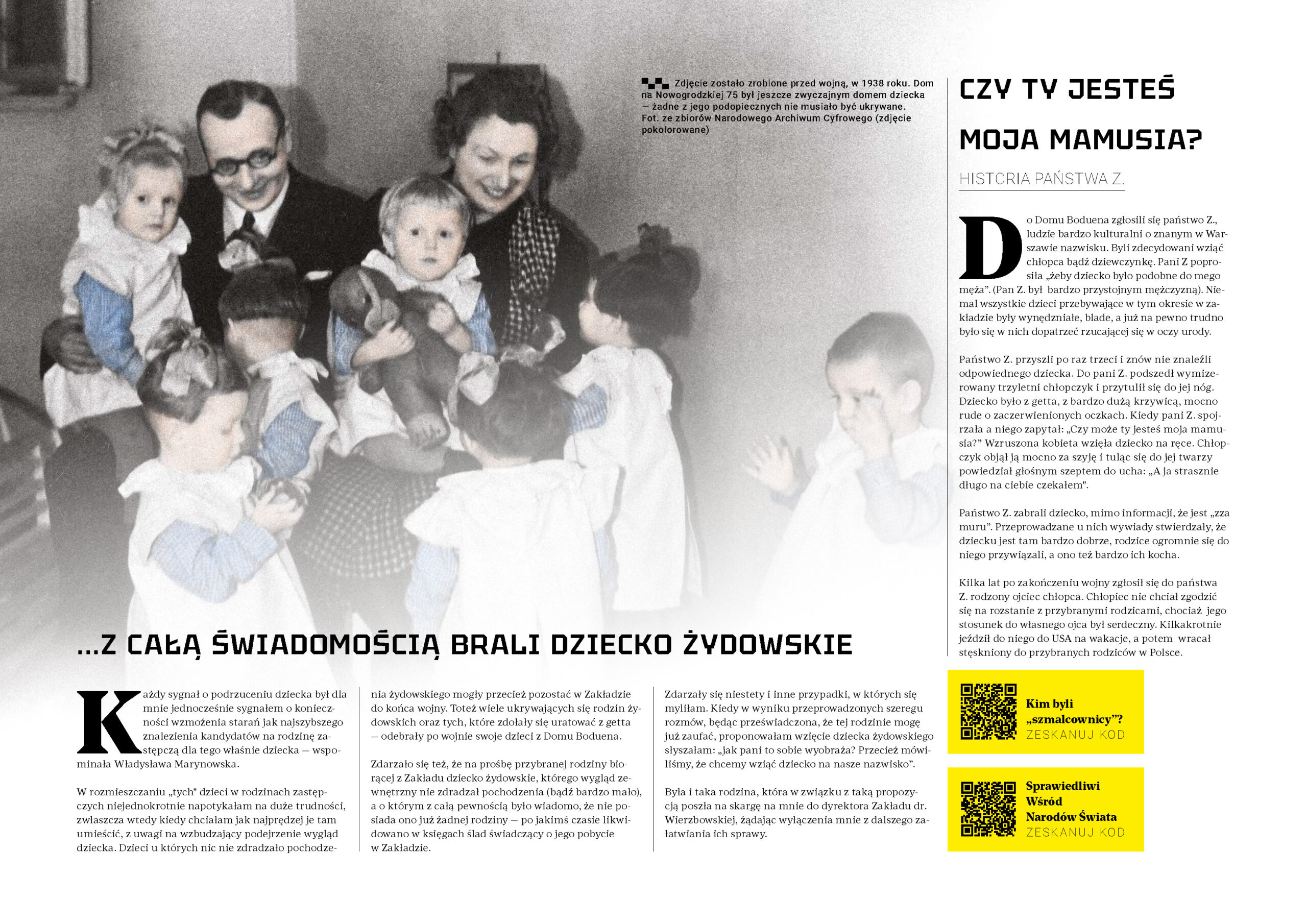
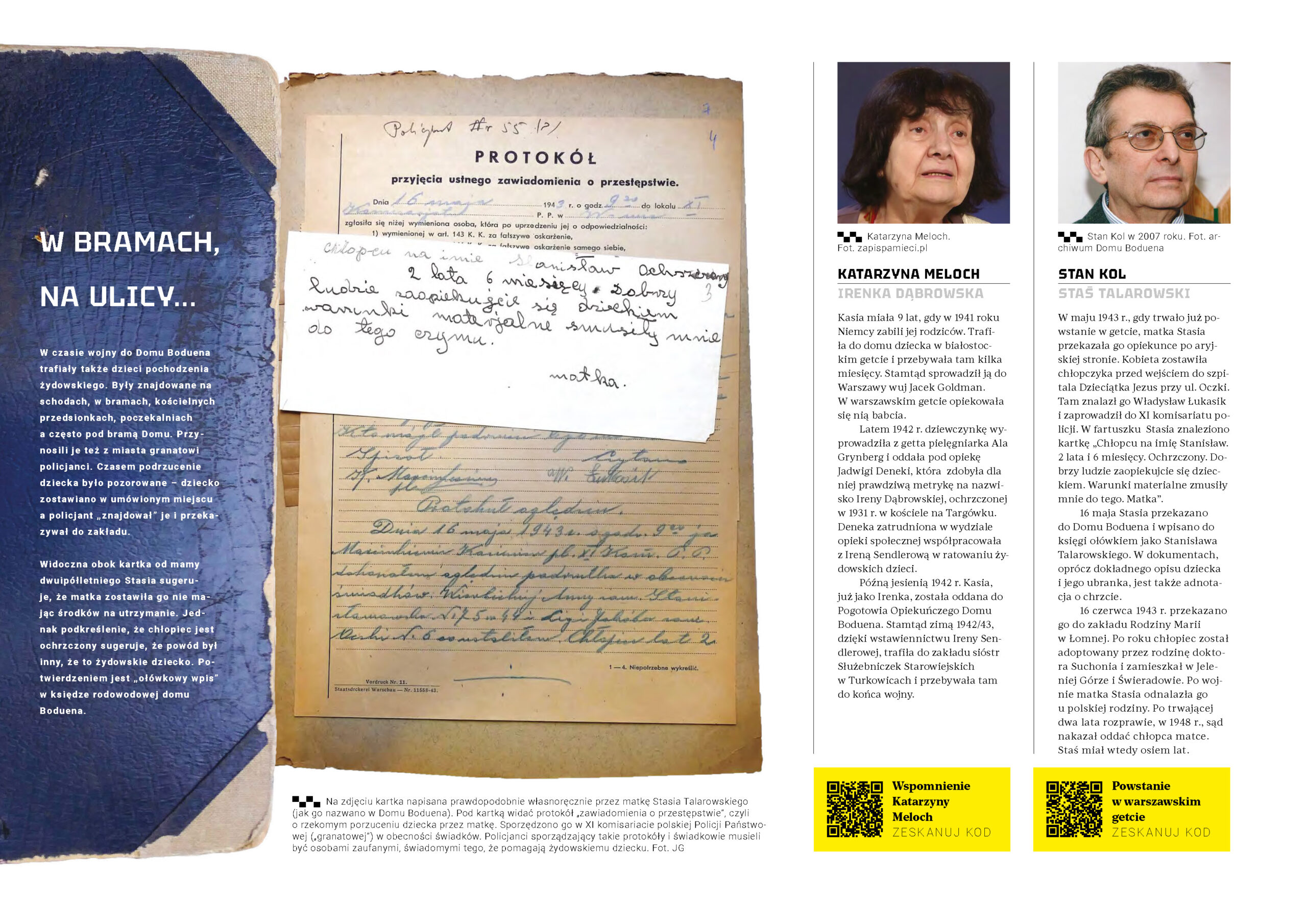
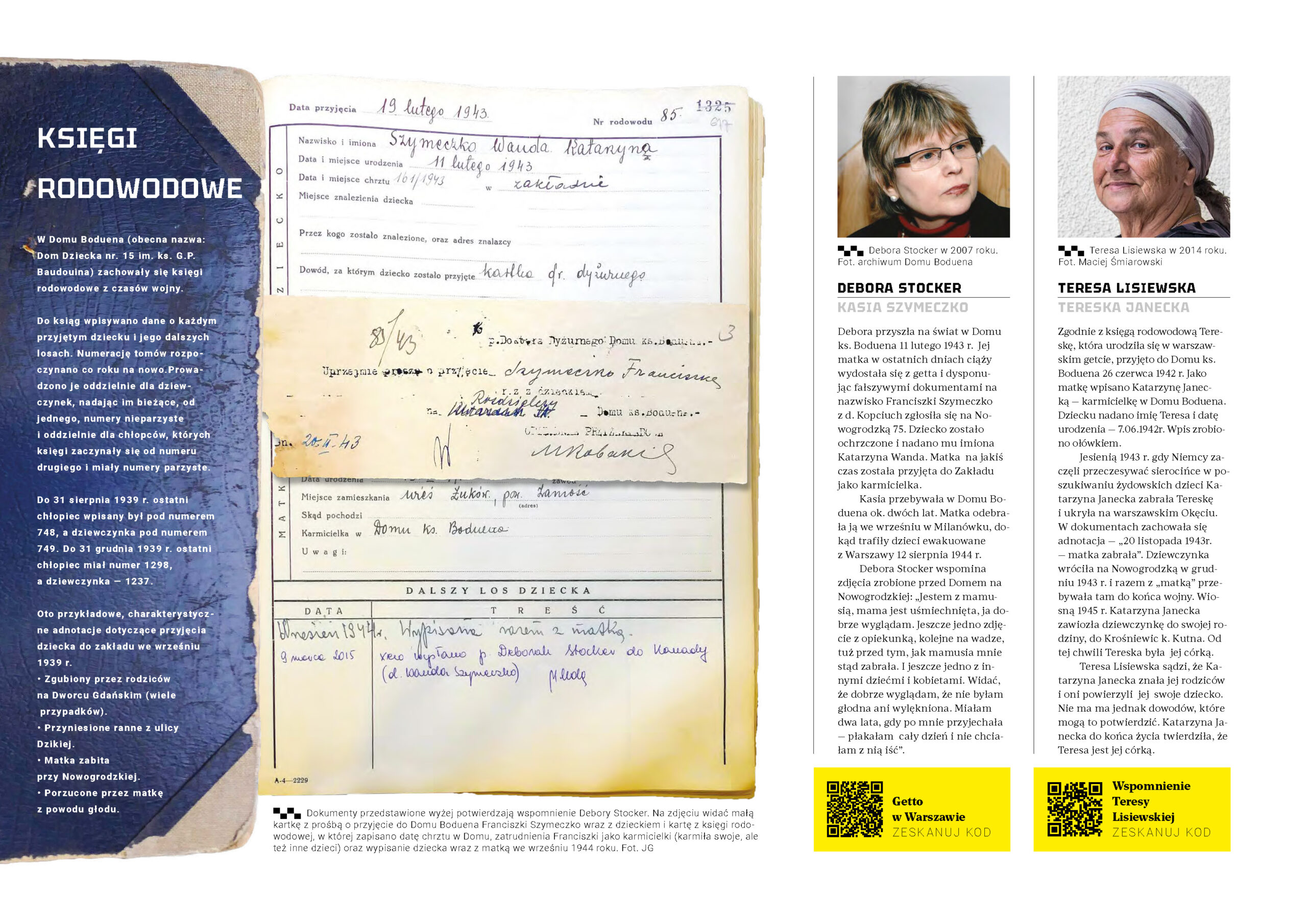
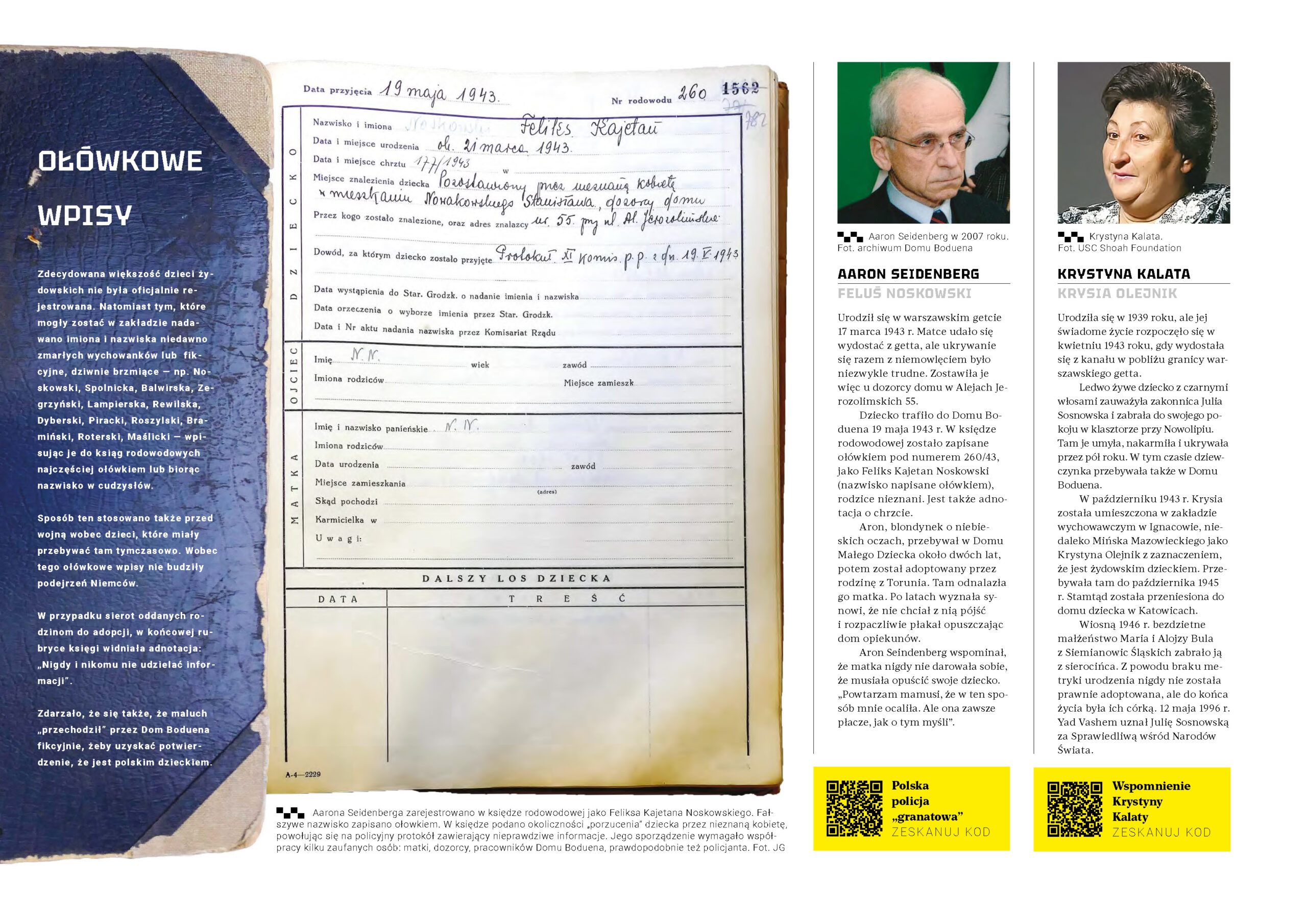
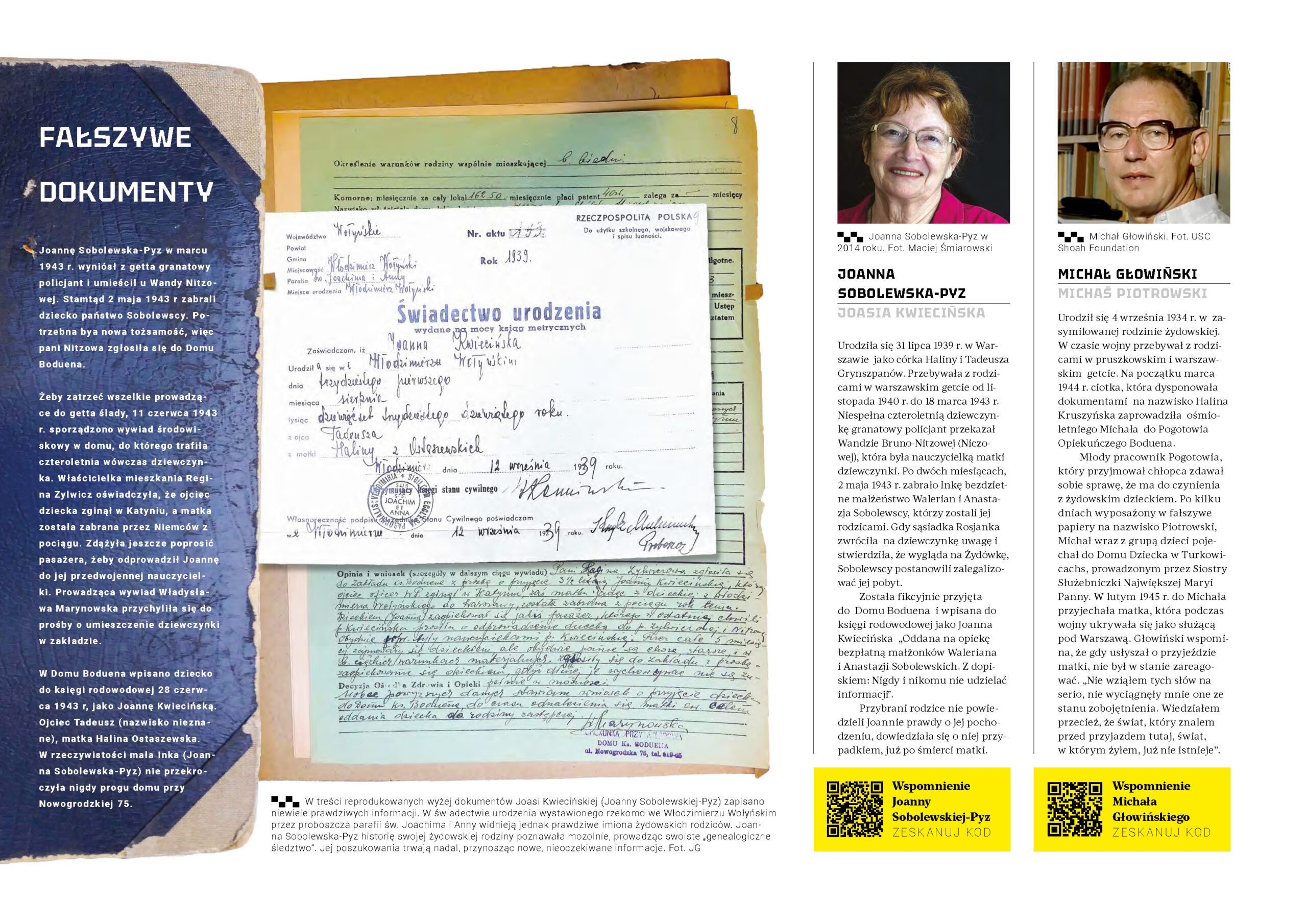
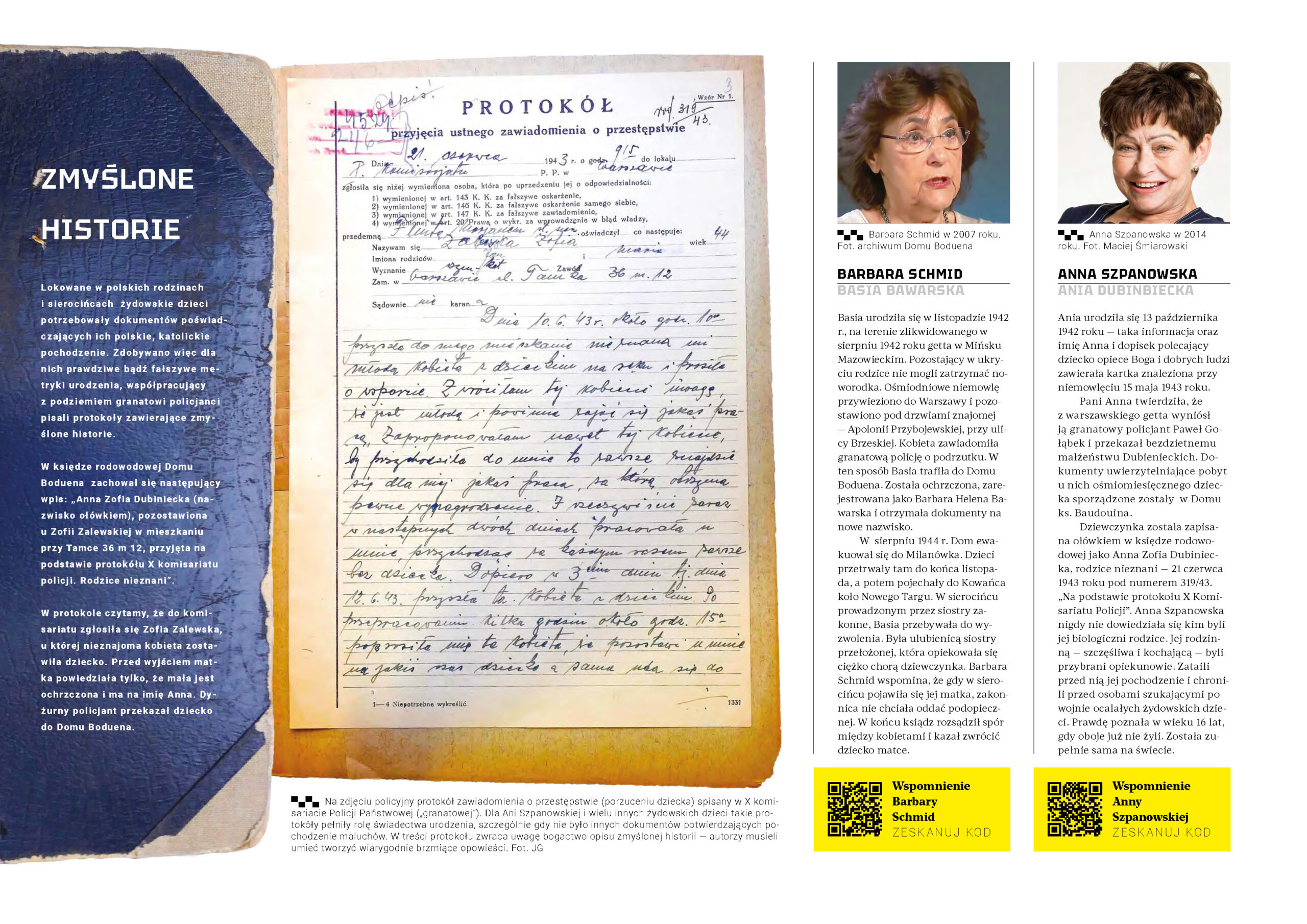
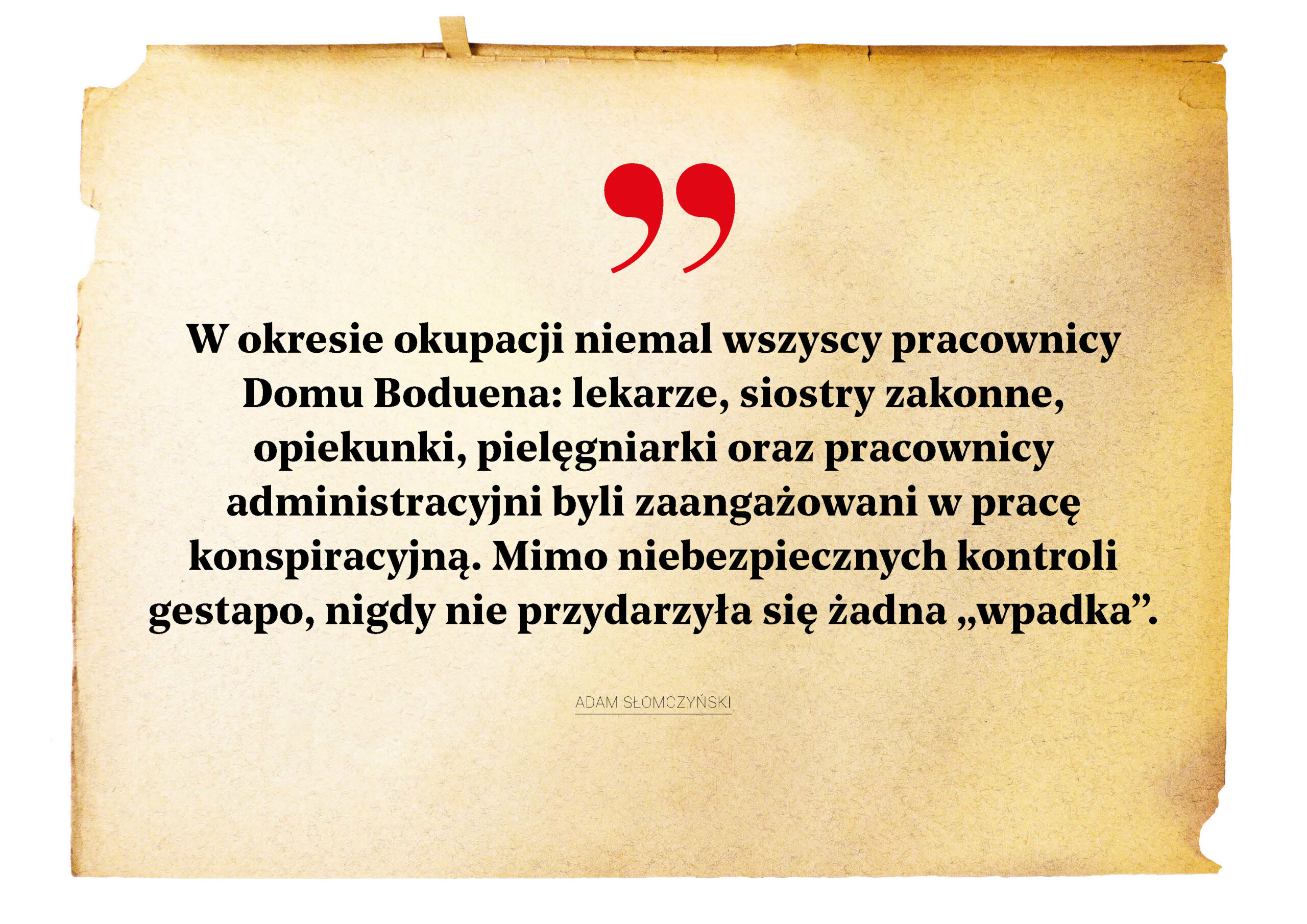
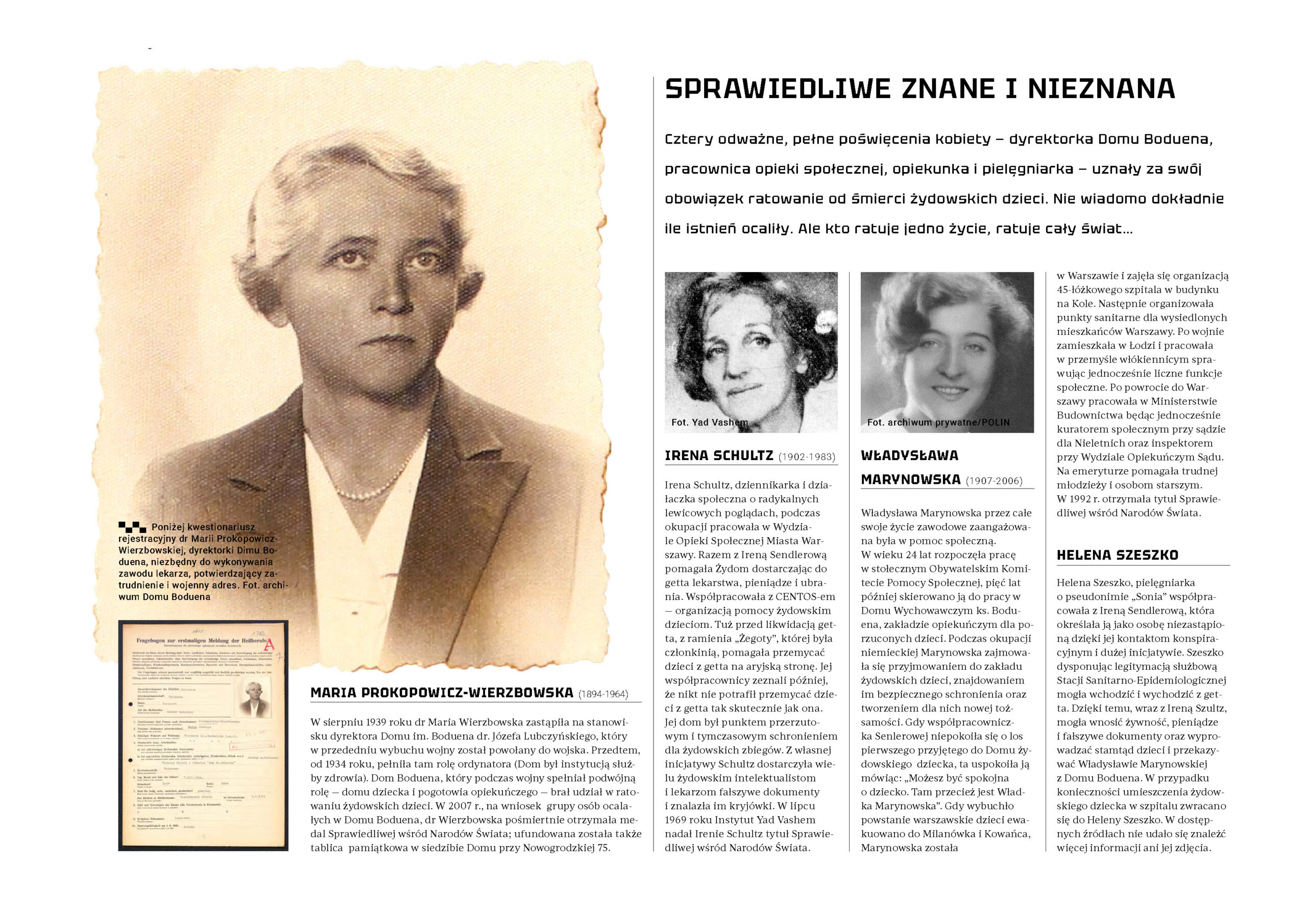
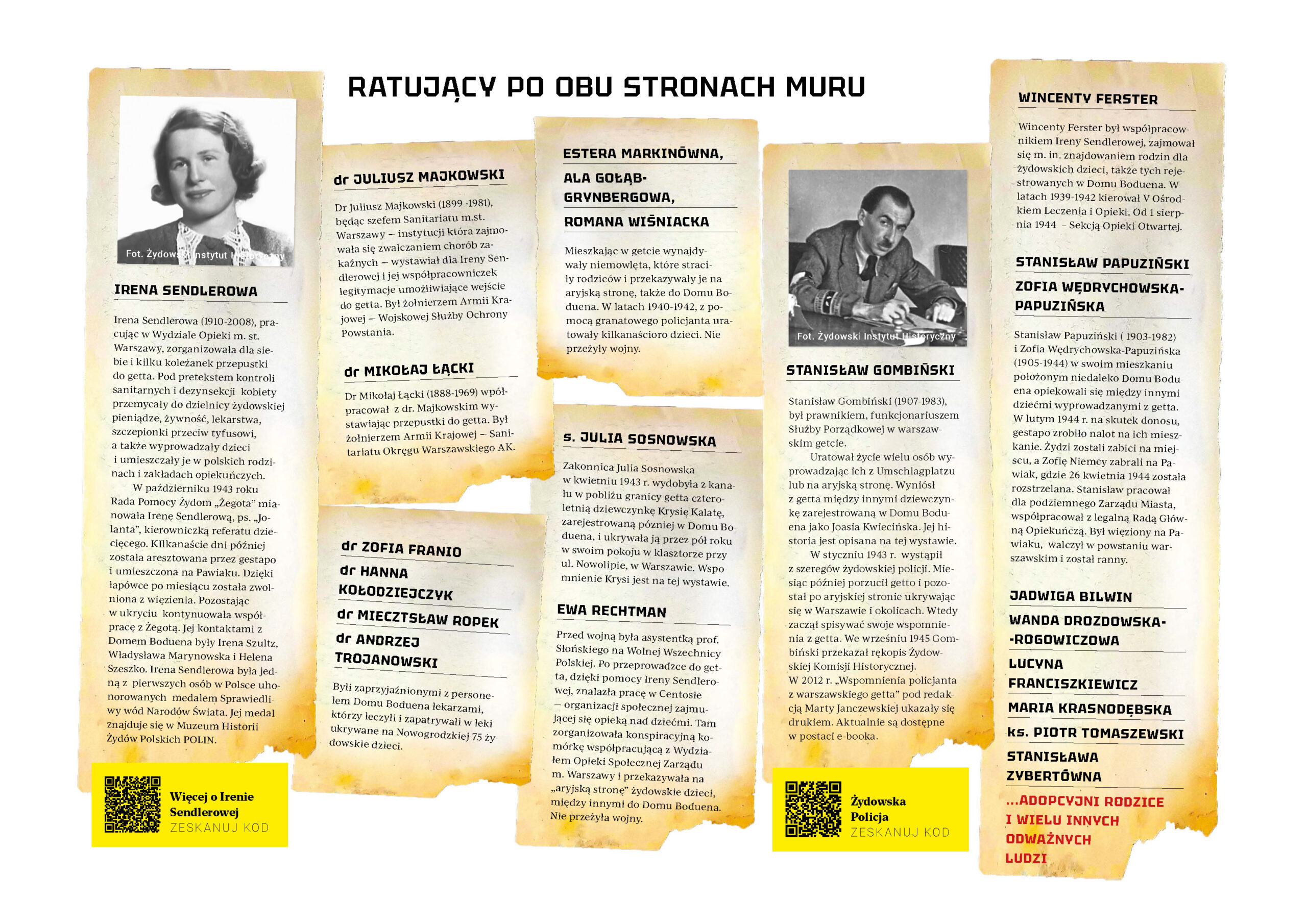
The board exhibition „Pencil Children” tells the story of a few of the many Jewish children saved in the Baudouin Home and recalls the few known adults to whom they owe their lives.
During World War II, the Warsaw orphanage of Father Baudouin was a refuge and a place of rescue for the Children of the Holocaust. The 17-board exhibition „Pencil Children” can be borrowed free of charge by writing to kontakt@zapispamieci.pl.
They survived on the Aryan side
AUDIOBOOK
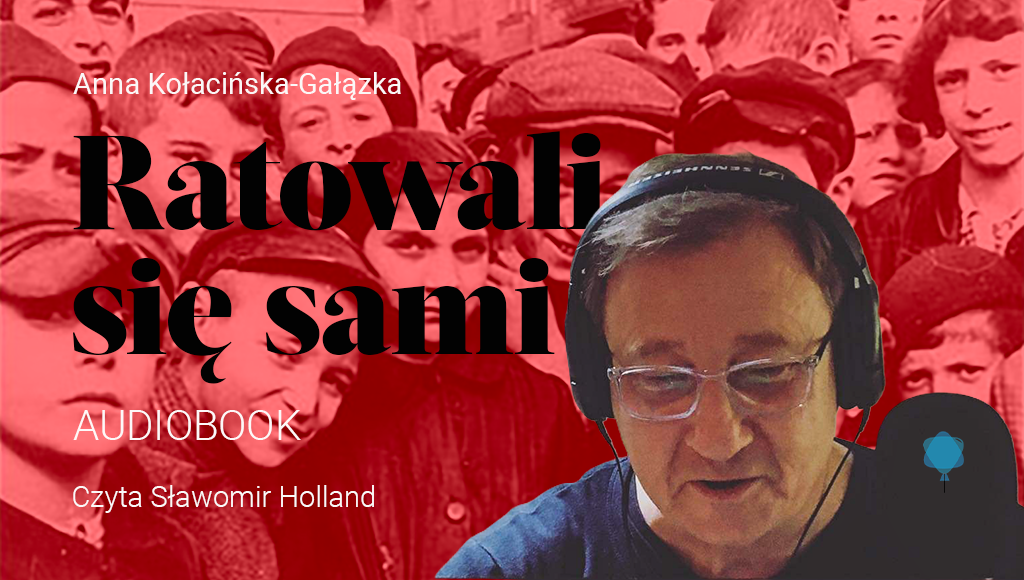
The audiobook tells the stories of nine Jewish children who saved themselves from the Holocaust. Three girls and six boys escaped the ghetto and survived until liberation. When the war broke out, the youngest of them was five years old and the oldest fifteen.
E-books for free download
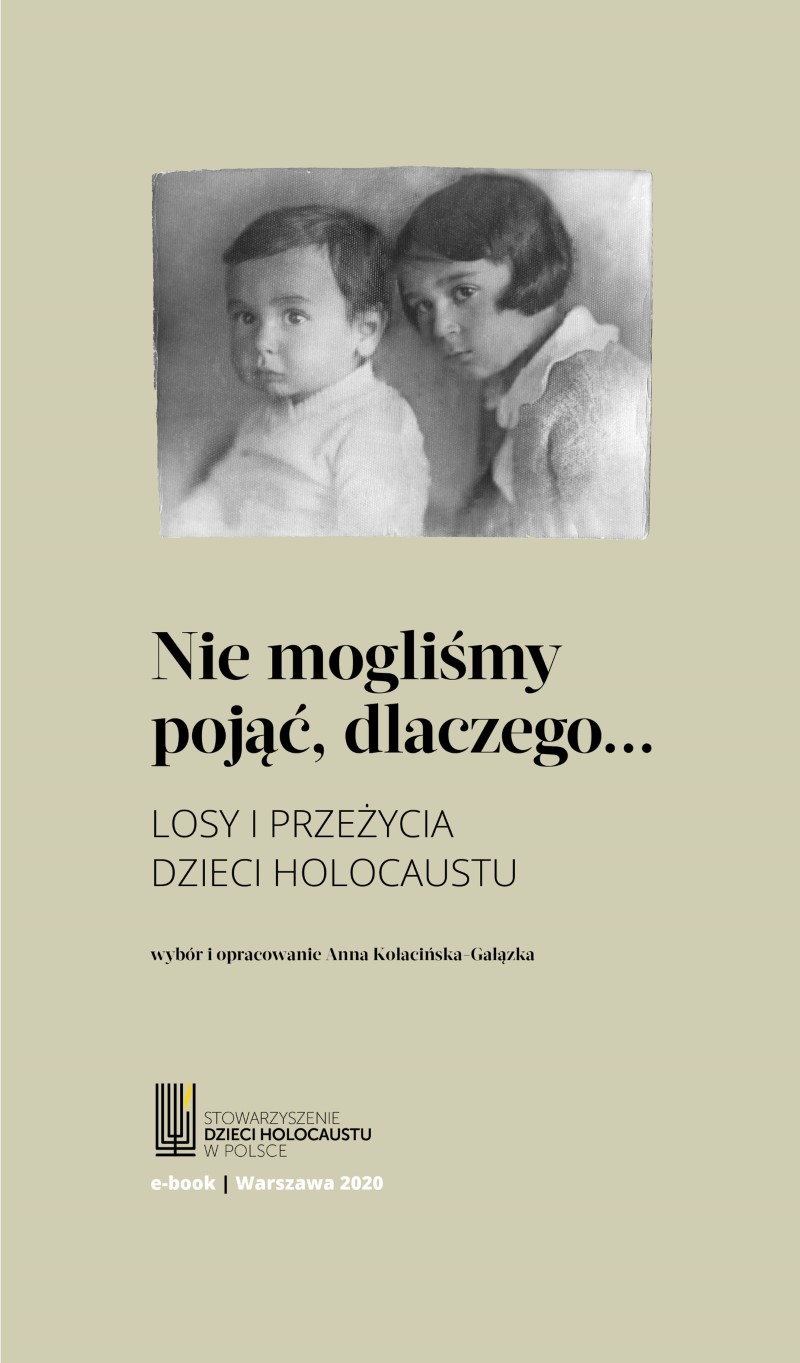
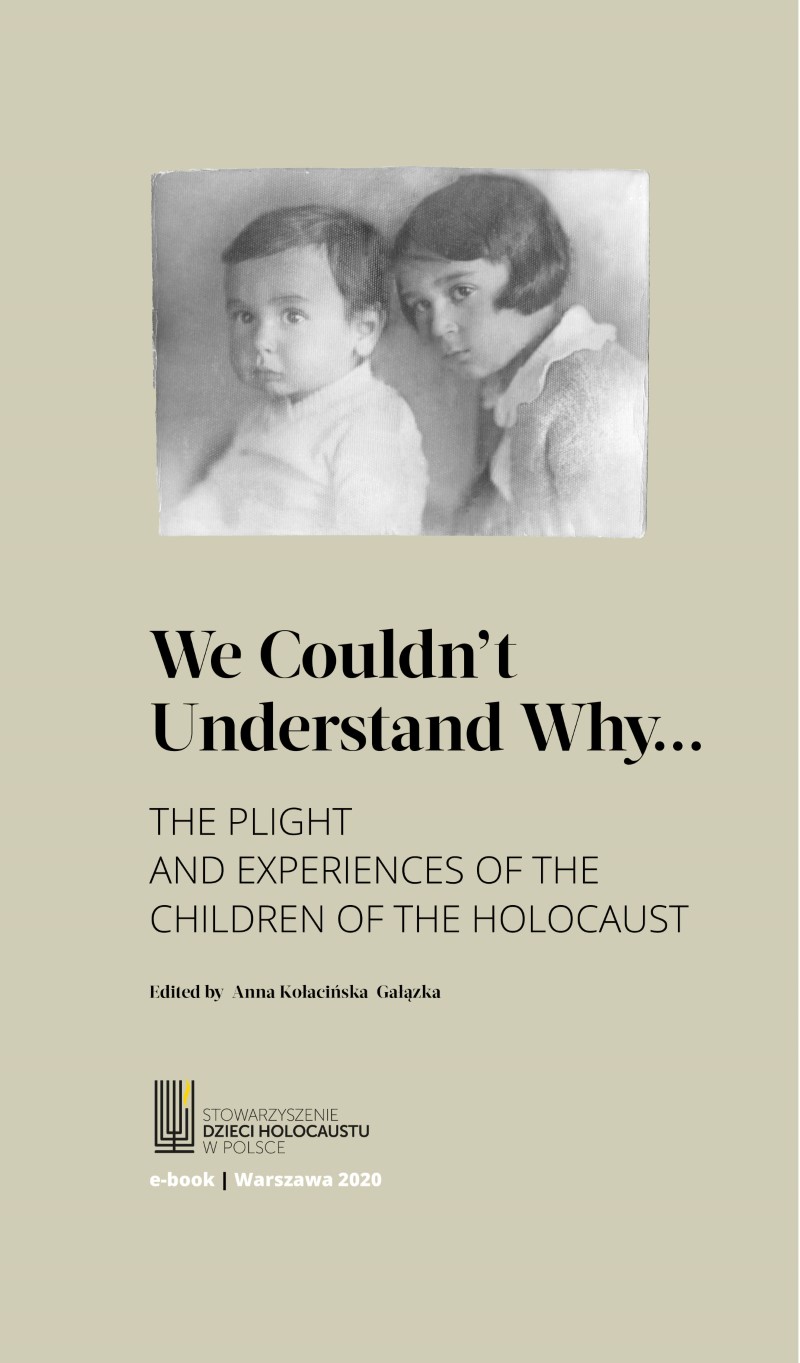
In 2017, based on the Record of Memory archive, a book was created synthesising the accounts gathered there, entitled „Nie mogliśmy pojąć, dlaczego” („We Couldn’t Understand Why”). The e-books „Nie mogliśmy pojąć, dlaczego” and „We Couldn’t Understand Why” can both be downloaded free of charge.
The ambition of the Record of Memory team is to develop the archive by adding further memories of the Children of the Holocaust — new texts, photographs and recordings. We encourage everyone who would like to share their stories to contact us.